Paris Court to Investigate Former Police Prefect Lallement Over Gilet Jaune Protest Injury
The Paris Court of Appeal has mandated a probe into ex-police prefect Didier Lallement's role in a 2019 protester's injury amid the gilet jaune demonstrations.
Key details
- Manuel Coisne lost an eye due to a police grenade during a 2019 Paris protest.
- The Paris Court of Appeal ordered an investigation into Didier Lallement’s responsibility.
- Police officer who fired the grenade was indicted for voluntary violence causing permanent disability.
- The case could set a precedent for holding police prefects accountable for protest policing.
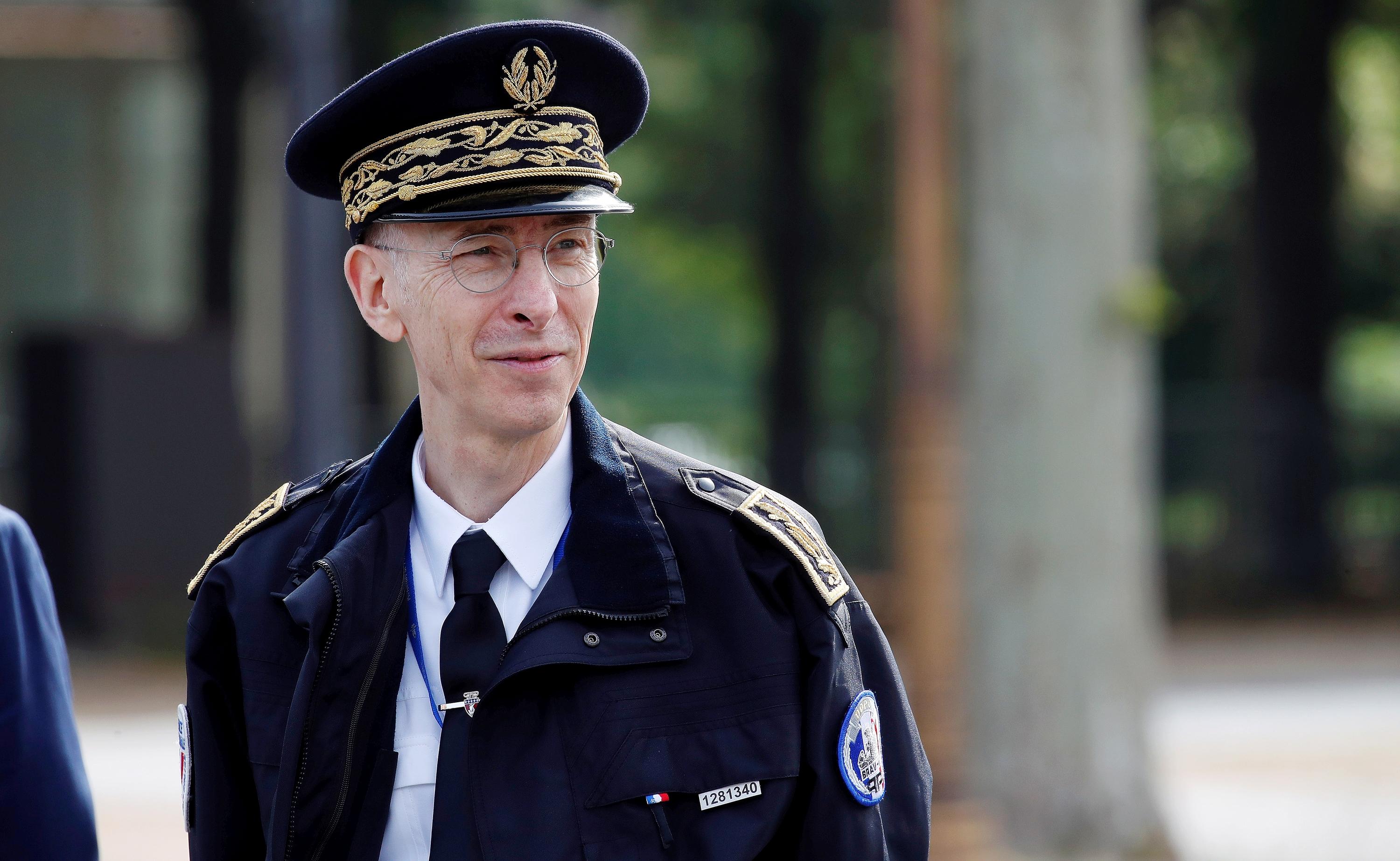
The Paris Court of Appeal has ordered a formal investigation into former Paris police prefect Didier Lallement's potential criminal responsibility in the severe injury of gilet jaune protester Manuel Coisne during a November 16, 2019 demonstration. Coisne lost an eye after a tear gas grenade was fired at close range by a police officer managing crowd control at the Place d'Italie protest marking the movement’s first anniversary.
The court's ruling follows complaints that Lallement, who was in charge of Paris police from 2019 to 2022, failed to prevent excessive police use of force, including an illegal police encirclement tactic. Coisne’s lawyer, Me Arié Alimi, sees this as a landmark case for holding police prefects accountable for their orders during demonstrations, potentially establishing criminal responsibility in future crowd-control situations.
Earlier, the police officer who discharged the grenade was indicted in October 2024 for voluntary violence causing permanent disability, although his defense maintains the injury was unintended. The Court of Appeal's focus on Lallement's responsibility adds a new dimension by investigating the accountability of senior police officials overseeing protest management.
This judicial development is regarded as a victory for Coisne and his family, who have long sought justice for the life-altering injury sustained during one of the most contentious periods of social unrest in France. The case underscores ongoing debates about law enforcement tactics during mass protests and the limits of police authority in democratic societies.
Source articles (2)


Source comparison
Timeline of events
Sources disagree on the timeline of the investigation and injury.
lefigaro.fr
"Six years later, the Paris Court of Appeal has directed a judge to investigate the criminal responsibility of Didier Lallement."
lemonde.fr
"Five years later, in October 2024, the investigating judge ordered the indictment of the police officer."
Why this matters: One source states that the investigating judge ordered the indictment in October 2024, while the other indicates that the Paris Court of Appeal is now directing an investigation six years after the injury in November 2019. This discrepancy affects the understanding of the legal timeline surrounding the case.