Paris Municipal Elections 2026: Strategic Alliances and Disputes Emerge After First Round
After leading the first round, Emmanuel Grégoire faces strategic negotiations and right-wing alliance attempts in the 2026 Paris municipal elections amid left-wing tensions.
Key details
- Emmanuel Grégoire leads the first round with 37.98% of votes, followed by Rachida Dati at 25.46%.
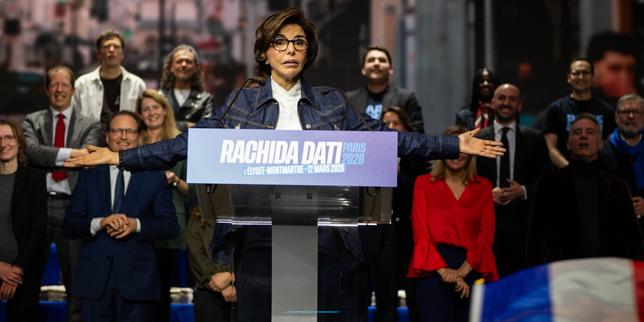
- Sarah Knafo calls on Rachida Dati to form a right-wing alliance, but Dati declines formal agreements.
- Three other candidates—Sophia Chikirou, Pierre-Yves Bournazel, and Sarah Knafo—exceed 10% and advance to the second round.
- Left-wing factions are divided, with LFI and PS disputing alliances nationally, but finding compromise in Toulouse.
Following the first round of the 2026 Paris municipal elections on March 15, significant strategic negotiations and disputes have surfaced among the main candidates. Emmanuel Grégoire of the Socialist Party (PS) leads decisively with 37.98% of the vote, well ahead of Rachida Dati of the Republicans (LR), who secured 25.46%. Three other candidates—Sophia Chikirou (LFI), Pierre-Yves Bournazel, and Sarah Knafo—just surpassed the essential 10% threshold for advancing, with Knafo receiving 10.40% of the vote.
Sarah Knafo, a Member of the European Parliament from the Reconquête! party, has publicly urged Rachida Dati to accept her offer of collaboration to unify right-wing forces and counter the left-wing candidates. Knafo emphasized the importance of unity, describing their cooperation as a "duty superior to our two persons" and called their combined efforts a historic breakthrough. However, Dati has been reluctant to form formal alliances, concerned that partnering with Knafo, who has ties to the far-right AfD party in Germany, might alienate centrist voters. Concurrently, Dati has proposed a "list of unity" to Pierre-Yves Bournazel as another potential ally.
Amid these maneuvers in Paris, tensions on the left are evident nationally. LFI’s Mathilde Panot criticized Emmanuel Grégoire and other Socialist leaders for refusing to ally with La France Insoumise (LFI), calling their stance "irresponsible." This dispute is mirrored in Marseille, where the PS demands the withdrawal of LFI’s Sébastien Delogu. Contrastingly, in Toulouse, LFI and PS-Ecologist candidates have managed to agree on governance arrangements after finishing second and third respectively.
Saïd Benmouffok, head of Place publique, described the first-round results as encouraging, highlighting Grégoire’s strong position and emphasizing the strategic importance of vote margins going into the second round. The Paris race remains dynamic, with alliance decisions likely to shape the final outcome as candidates seek to consolidate support and appeal to a broader electorate.
Source articles (3)
-
lemonde.fr Mar 16, 2026
Municipales à Paris : après le premier tour, le temps des alliances et des calculs de report des voix pour les cinq candidats
-
EN DIRECT, résultats des municipales 2026 : les listes de gauche se déchirent à Paris et Marseille, mais trouvent un compromis à Toulouse
-
lefigaro.fr Mar 16, 2026
Municipales à Paris : «Je vous parle d’un accord de femme à femme», Sarah Knafo demande à Rachida Dati d'accepter sa «main tendue»