Police Informants' Role Under Scrutiny in Major French Drug Trafficking and Violence Cases
French police informants face investigation for cocaine trafficking amid a failed operation in Marseille, while a related murder sentenced to 25 years in Rennes highlights drug-related violence.
Key details
- Police informants suspected of importing and diverting 387 kilos of cocaine in France.
- Samir, a key informant, detained since February, denies involvement despite evidence.
- The 'Trident' operation in Marseille aimed to arrest trafficker Mohamed Djeha but failed.
- Saraba Diane sentenced to 25 years for murder linked to narcotrafficking in Rennes.
- Lansana Diakhaby convicted of complicity; a third suspect remains at large.
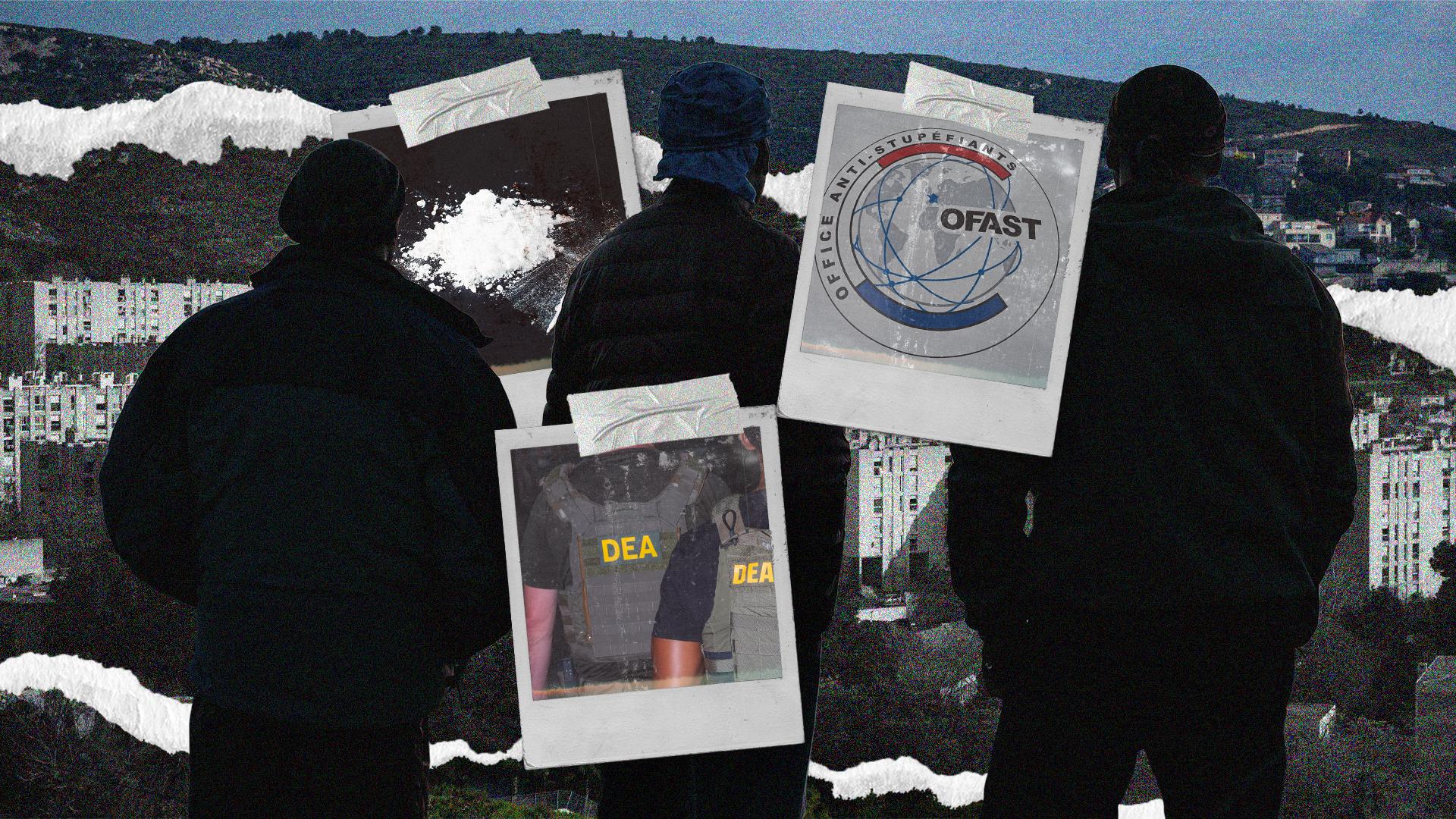
Several police informants are at the heart of an ongoing investigation involving the importation and diversion of 387 kilograms of Colombian cocaine in France. These informants, allegedly working with investigators from the French anti-drug office (Ofast), are suspected of redirecting parts of the drug shipment as payment. Among them, an informant known as Samir, who cooperated with both American and French authorities for years, has been detained since February 2025 and faces serious legal scrutiny. Despite his claims of innocence and denials of involvement with drugs or money in this operation, Samir’s role in the failed 'Trident' operation—from April 2023, which sought to capture drug trafficker Mohamed Djeha—has drawn significant attention. This operation ultimately failed as Djeha avoided capture shortly after it began.
In a related case reflecting the violent side of narcotics trafficking in France, Saraba Diane was sentenced to 25 years in prison for the 2021 murder of Khamzat Labazanov and for wounding his brother near a drug dealing area in Rennes. Diane, who described himself as a 'small trafficker,' claimed self-defense when he shot Labazanov. Lansana Diakhaby was convicted of complicity and received a 10-year sentence, while a third accused, Banffa Dramé, remains at large after fleeing during trial proceedings.
These cases underscore the complexities of combating organized crime and drug trafficking in France. The involvement of informants like Samir presents challenges in police operations, exposing issues of corruption and accountability within law enforcement agencies. Meanwhile, the brutal violent crime tied to narcotics in Rennes highlights the ongoing social repercussions and judicial efforts to address drug-related violence.
Samir has stated during interrogation, “With the Americans, I touched a lot of money and it allowed me to live well,” pointing to his long history of involvement with police intelligence. However, his detention and repeated denials have kept the spotlight on possible collusion between police informants and criminals. Meanwhile, the court proceedings in Rennes reveal the persistence of violence linked to drug trafficking networks, with the victims in the murder case having no prior convictions related to drug crimes, complicating the narrative surrounding the conflict.
As investigations continue, both the role of informants in drug interdiction efforts and the brutal realities of narcotics-driven violence remain critical challenges for French law enforcement and the justice system.
Source articles (2)
-
lefigaro.fr Dec 12, 2025
«Samir», «Robert», «Michel»... Derrière l’opération «Trident» à Marseille, le jeu trouble des indics de la police
-
Rennes : Un homme condamné à 25 ans de prison pour un meurtre sur fond de narcotrafic