Political Discontent and Economic Concerns Shadow France's 2026 Budget Adoption
France's 2026 budget passed via constitutional article 49.3 faces political bitterness and economic criticism amid concerns for business competitiveness and political unity.
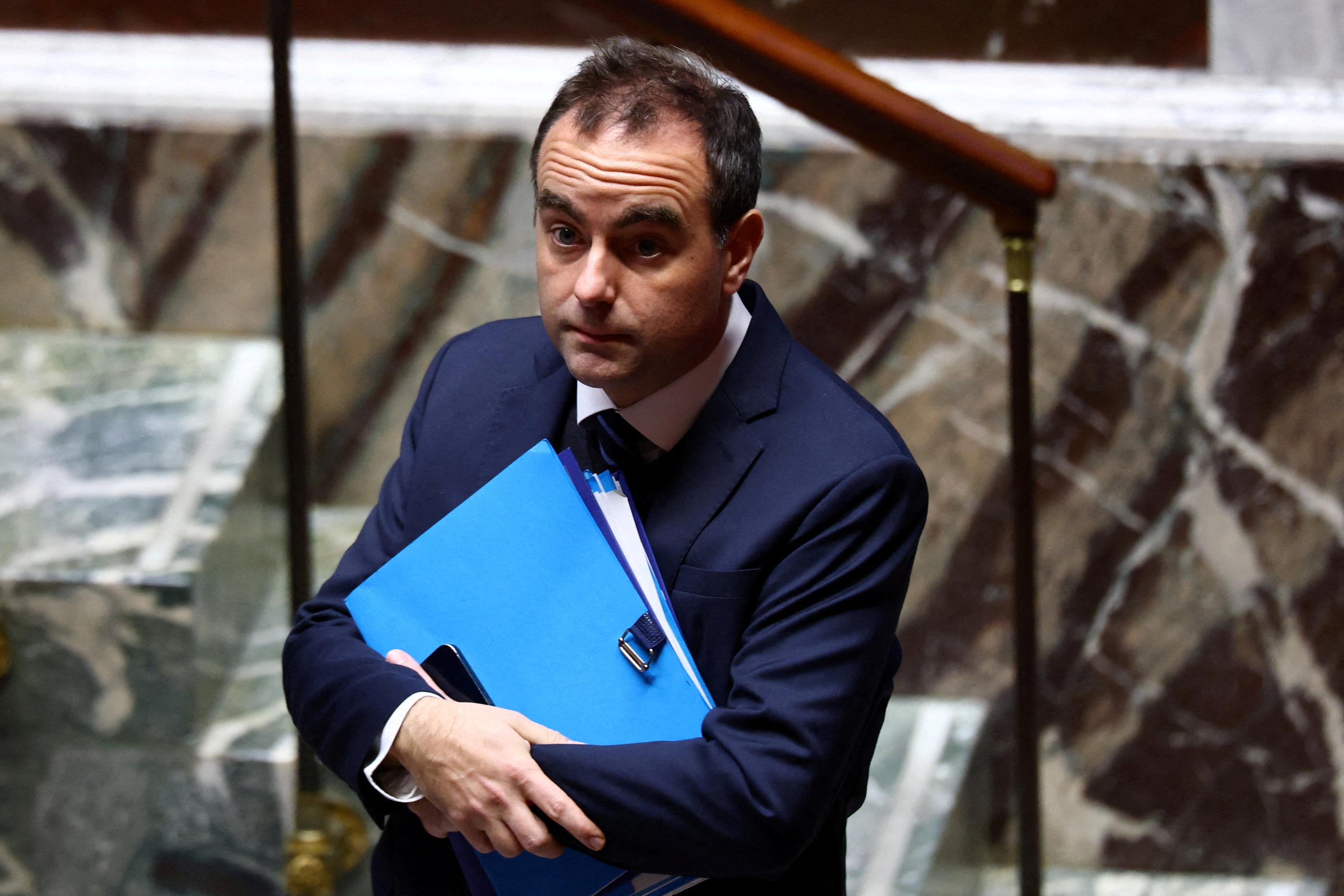
Key details
- Sébastien Lecornu used constitutional article 49.3 to pass the 2026 budget, bypassing parliamentary debate.
- Right and center political factions expressed bitterness and regret over the budget process and its imperfections.
- Critics warn the budget sacrifices the competitiveness of French businesses, potentially leading to economic difficulties.
- An EU-US agreement is criticized as unfair, underscoring broader challenges for France's global economic position.
The 2026 French budget has been adopted through the controversial use of constitutional measure 49.3 by Minister Sébastien Lecornu, sparking political bitterness and economic criticisms across the spectrum.
Lecornu resorted to 49.3, bypassing parliamentary debate, to secure the budget's passage, a move that has generated regret and frustration among right and center parties. According to Guillaume Tabard from Le Figaro, factions including Renaissance, MoDem, Horizons, and the Droite républicaine feel a sense of "amertume et regrets" (bitterness and regrets), lamenting the imperfect nature of the budget and the failure to reach a genuine compromise with the left-wing socialists. The budget was passed not through collaboration but due to general fatigue and political exhaustion among lawmakers.
From an economic perspective, critics warn of the budget's deleterious effects on French businesses. Bertille Bayart highlights that the plan is engineered "at the expense of enterprises," foreshadowing challenging times ahead for France's economic landscape. Gaétan de Capèle voices concerns about France’s trajectory towards economic socialism, undermining the competitiveness of its already heavily taxed companies amid ongoing international trade tensions. This sentiment is compounded by the recent EU-US agreement, deemed "unfair and humiliating for Europe," further emphasizing Europe's vulnerable position.
This budget's adoption symbolizes wider political and economic tensions in France, revealing fractures within ruling coalitions and raising alarms over national economic policy direction. While the budget ensures governance continuity, its contentious passage and implications suggest difficult debates and challenges lie ahead.
As of January 21, 2026, the government faces the formidable task of reconciling political disagreements and addressing business community concerns to stabilize France's economic future.
Source articles (2)
-
lefigaro.fr Jan 21, 2026
Guillaume Tabard : «49.3 sur le budget, amertume et regrets pour tous»
-
Budget 2026 : «À la fin, la gauche gagne et la France paie»