Political Turmoil After Quentin's Death: LFI Under Fire and Parliamentary Suspension
Following the violent death of nationalist Quentin, accusations mount against LFI and the extreme left, leading to parliamentary suspensions and political debates on accountability.
Key details
- Quentin Deranque, a nationalist student, died after being attacked by antifascist militants during a conference in Lyon.
- Government spokesperson Maud Bregeon accused La France Insoumise (LFI) of moral responsibility for fostering violence, citing ties to the Jeune Garde.
- Jacques-Élie Favrot, parliamentary assistant to LFI deputy Raphaël Arnault and co-founder of Jeune Garde, was suspended from the National Assembly due to suspected involvement in the lynching.
- Culture Minister Rachida Dati acknowledged extreme left violence but was hesitant to say they deliberately kill, highlighting political tensions.
The political fallout continues following the violent death of Quentin Deranque, a 23-year-old nationalist student, who succumbed after an assault by antifascist militants during an event in Lyon. This incident has intensified accusations and accountability debates around La France Insoumise (LFI) and the extreme left.
Maud Bregeon, government spokesperson, publicly accused LFI of fostering a "climate of violence," asserting the party's moral responsibility tied to its longstanding associations with ultra-left groups such as the now-dissolved antifascist group Jeune Garde. Bregeon pointed to LFI leader Jean-Luc Mélenchon’s previous acknowledgment of Jeune Garde as "our young comrades" and highlighted LFI deputy Raphaël Arnault's connection to this group. Quentin was attacked at a conference featuring LFI Member of the European Parliament Rima Hassan, where he was present to help secure the feminist and identitarian collective Némésis.
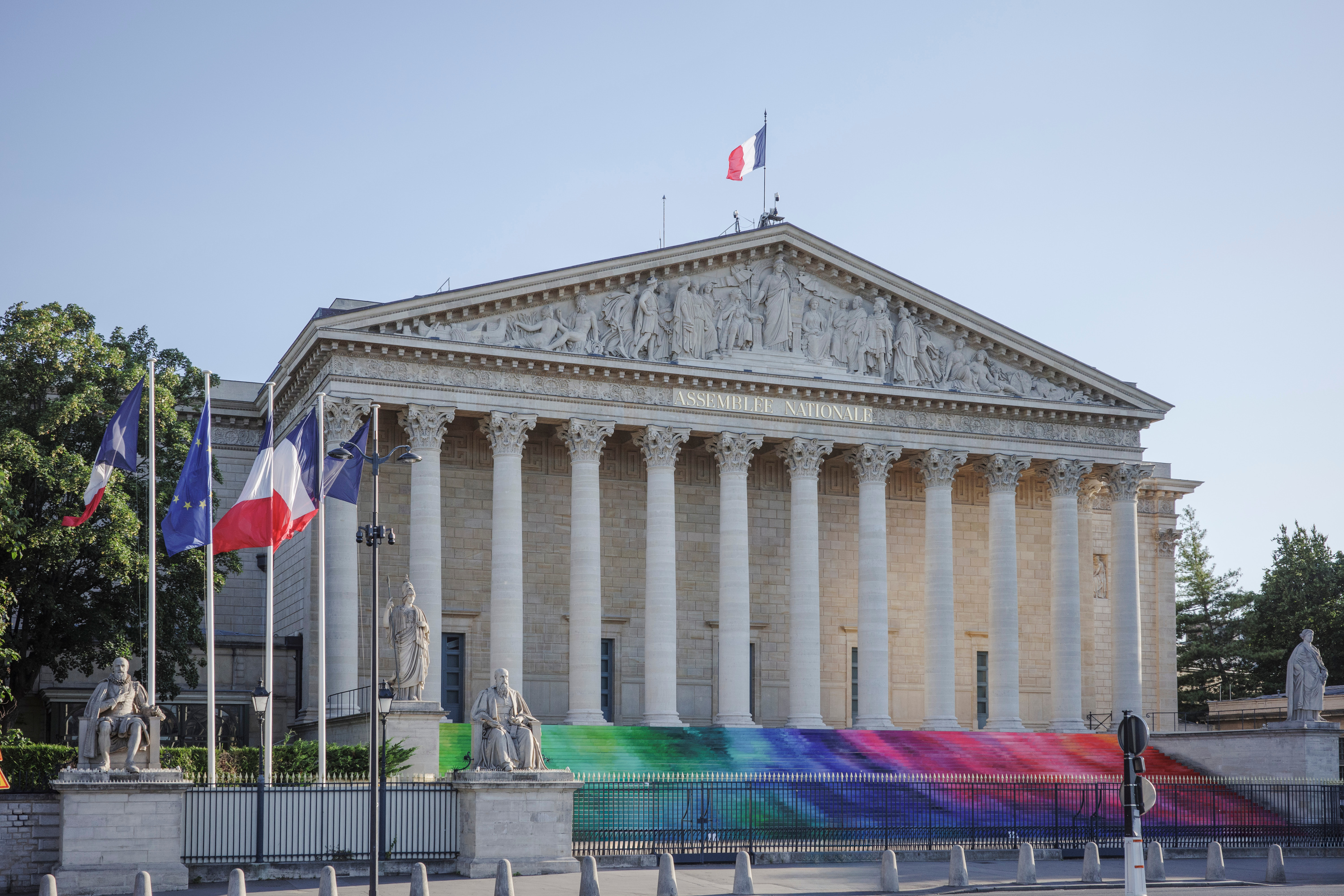
In parliamentary actions reflecting the gravity of the situation, Yaël Braun-Pivet, President of the National Assembly, announced the provisional suspension of Jacques-Élie Favrot, a parliamentary assistant to LFI deputy Raphaël Arnault, from the Palais Bourbon. Favrot is suspected of involvement in the lynching of Quentin and was identified by the collective Némésis as one of the assailants. Though he denies responsibility and has voluntarily withdrawn from his parliamentary duties during the ongoing investigation, Braun-Pivet cited concerns that his presence could disrupt public order amid the sensitive political atmosphere.
Meanwhile, on television, Laurence Ferrari confronted Culture Minister Rachida Dati about political violence linked to the extreme left. Dati echoed Interior Minister Laurent Nuñez by attributing the violence to the "ultragauche" but stopped short of directly stating that they "kill," acknowledging the complicated nature of the confrontations. She cited attacks on political campaign headquarters as indicators of extreme left violence without definitively labeling their actions as murder.
The Lyon prosecutor is expected to update on the legal investigation into the attack, but political tensions remain high as parties debate responsibility and the broader implications of political violence in France.
Source articles (3)
-
lefigaro.fr Feb 16, 2026
Mort de Quentin : «LFI a une responsabilité morale», juge Maud Bregeon
-
tvmag.lefigaro.fr Feb 16, 2026
«Pourquoi hésiter à dire que l’extrême gauche tue dans notre pays ?» : Laurence Ferrari bouscule Rachida Dati
-
Mort de Quentin : le collaborateur LFI de Raphaël Arnault, soupçonné d’être impliqué dans le lynchage, interdit d’accès à l’Assemblée
Source comparison
Name of the victim
Sources report different names for the victim of the attack.
lefigaro.fr
"Following the death of nationalist activist Quentin D."
lefigaro.fr
"...the fatal lynching of Quentin Deranque."
Why this matters: Sources refer to the victim as Quentin D and Quentin Deranque, which creates confusion about the identity of the individual involved. This discrepancy is significant as it may affect the clarity of the reporting on the incident.