Rising Tensions and Controversies Shape 2026 French Municipal Elections
Controversies and political clashes intensify ahead of France's March 2026 municipal elections, with disputes within the left, candidate withdrawals amid scandal, and media pluralism concerns.
Key details
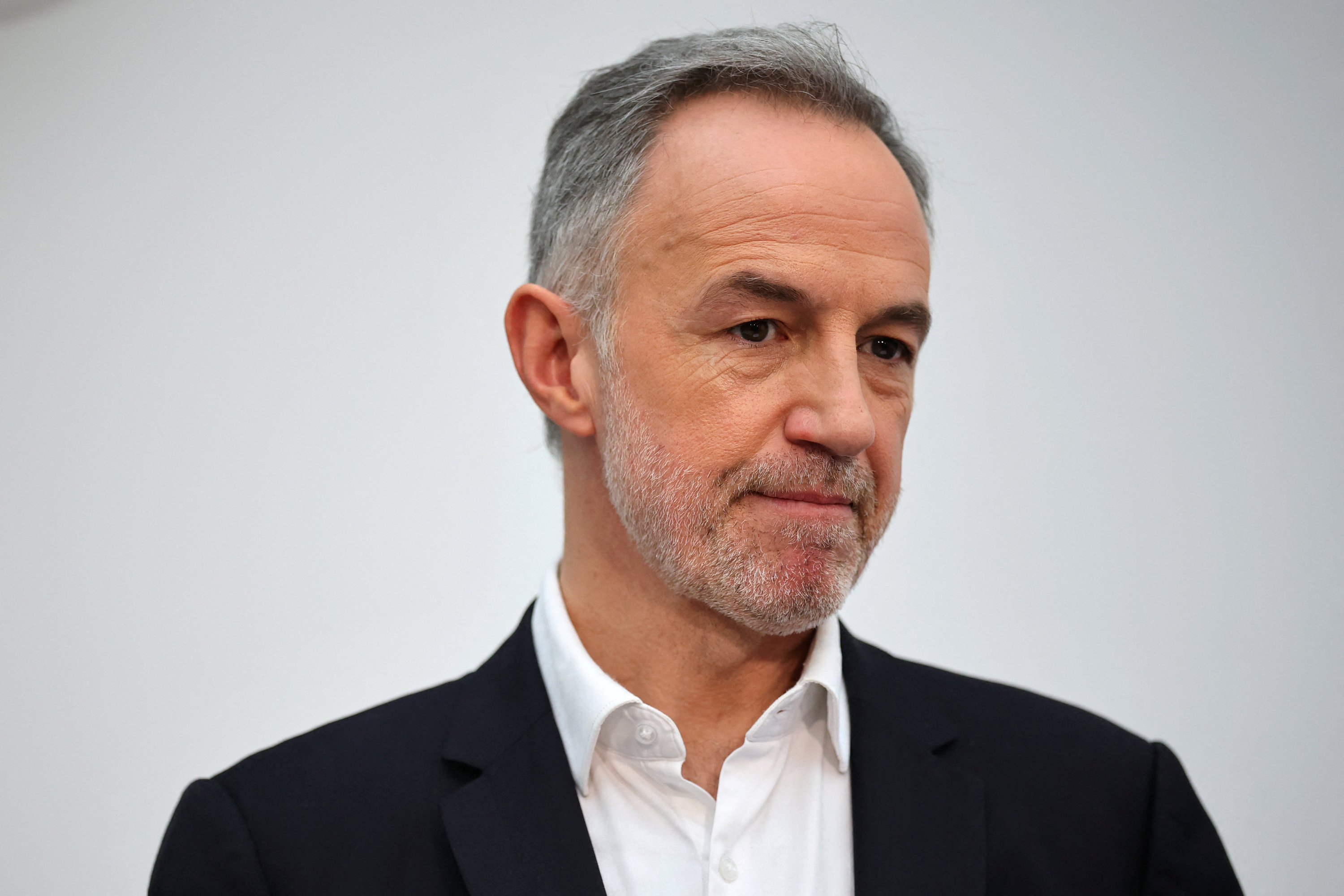
- Emmanuel Grégoire refuses alliance with La France insoumise in Paris elections, targeting right-wing opponent.
- Philippe Leroy withdraws from Toulon race after controversial remarks about opponent’s disabled daughter.
- Laure Lavalette leads in Toulon polls with 41%, while the left coalition trails at 12%.
- Reporters sans frontières accuses media regulator Arcom of inaction against right-wing bias at CNews and Europe 1.
As the March 15 and 22, 2026 municipal elections approach in France, political dynamics are intensifying with notable disputes and controversies across the country. In Paris, Emmanuel Grégoire, the united left candidate for mayor, firmly rejected any alliance with La France insoumise's Sophia Chikirou for the second round. Grégoire criticized Jean-Luc Mélenchon, accusing him of harming the left and dismissed the idea of electoral fusion or offering positions to La France insoumise, emphasizing his real rival is the right-wing candidate, Rachida Dati. He sought support from voters previously backing Mélenchon or Macron, highlighting the need to unite against the right rather than engage in left-wing infighting.
Meanwhile, in Toulon, political tension escalated after Philippe Leroy, a left coalition candidate, withdrew from the campaign following the publication of controversial comments about Laure Lavalette, the Rassemblement National candidate's disabled daughter. An audio clip suggested insensitive remarks, though Leroy’s campaign, led by Magali Brunel, claimed the statements were distorted and indicated a setup aimed at damaging their cause. Brunel announced plans to sue the outlet Frontières for defamation. Polling indicates Lavalette is leading with 41% voter intentions in the first round, followed by incumbent Josée Massi with 27%, and LR senator Michel Bonnus at 14%, with the left coalition trailing at 12%.
In parallel, media pluralism controversies are mounting as Reporters sans frontières and 57 legal experts have lodged an emergency appeal to the Council of State against the French media regulator Arcom. They accuse Arcom of failing to sanction CNews and Europe 1 for promoting extreme right ideological perspectives, despite a February 2024 ruling mandating internal media pluralism. Owned by billionaire Vincent Bolloré, these media outlets have allegedly escaped regulatory action, an issue of concern amid intense election season media coverage.
These developments highlight a fractious political landscape with intra-left conflicts, heated campaign controversies, and concerns over media bias, all unfolding as French citizens prepare to elect municipal and community councilors for six-year terms. The electoral process remains under close watch nationally with significant implications for left-right power balances in key municipalities.
Source articles (4)
-
lemonde.fr Mar 5, 2026
CNews et Europe 1 : 57 universitaires déposent un référé en urgence pour pousser l’Arcom à agir dans la période des municipales
-
lefigaro.fr Mar 5, 2026
«Il n’y aura pas d’accord» : Emmanuel Grégoire répète qu’il ne s’alliera pas avec l’Insoumise Sophia Chikirou au second tour des municipales à Paris
-
Municipales à Toulon : un candidat se met en retrait après des propos polémiques sur la fille de Lavalette
-
gard.gouv.fr Mar 5, 2026
Elections municipales 2026