Severe Weather and Flooding Disrupt February 2026 Holidays Across Western France
Heavy storms and flooding during the February 2026 holidays cause travel disruptions, power outages, and government action to support affected French regions.
Key details
- SNCF maintains normal TGV services despite storm impacts, but regional TER trains face delays.
- Flood warnings extended with red alerts in Loire-Atlantique, Charente-Maritime, and Maine-et-Loire.
- Government accelerates flood damage compensation, estimating €10,000-14,000 damage per affected household.
- Local businesses struggle with power outages and cancellations amid ongoing severe weather.
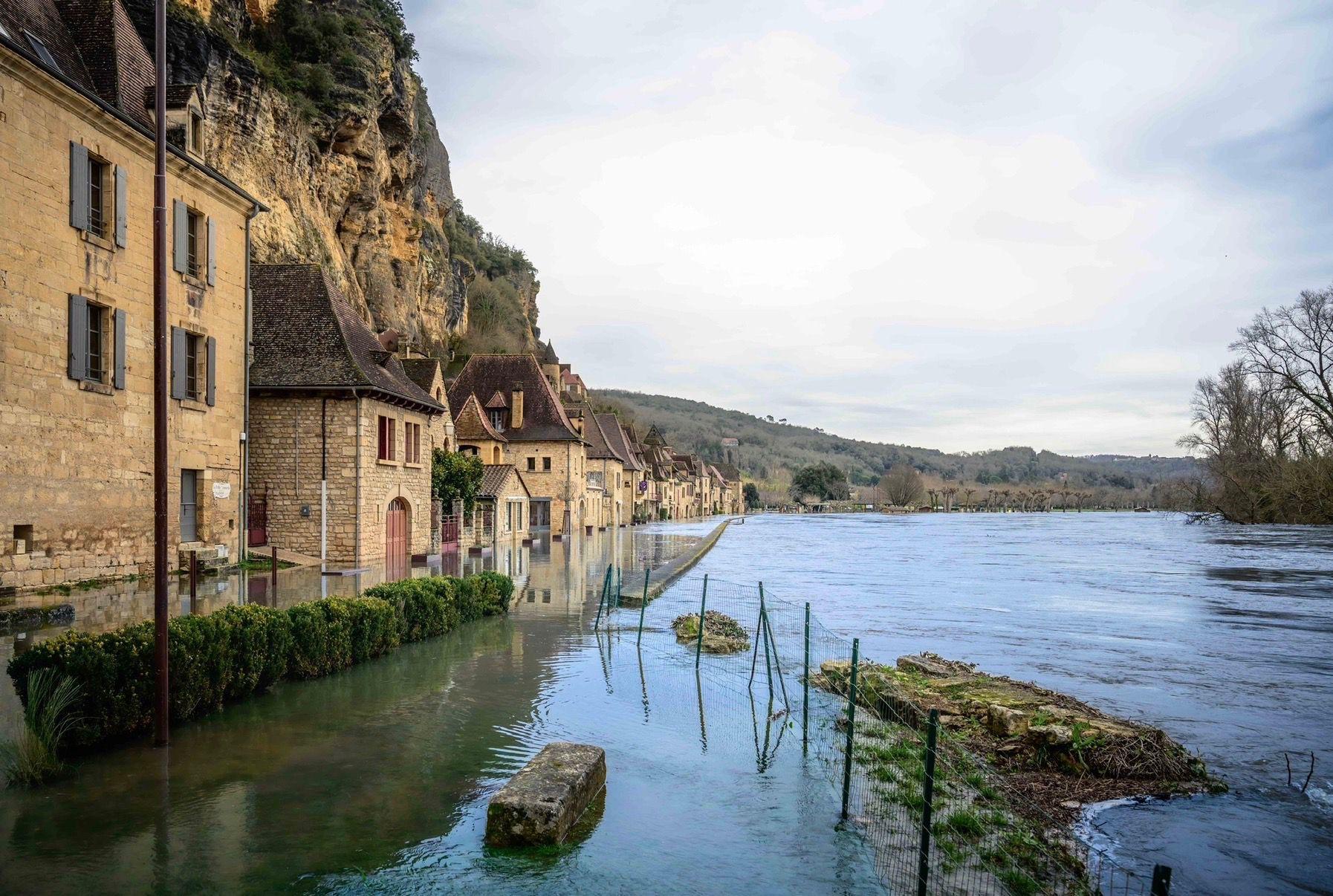
Severe storms and flooding have marred the February 2026 holiday period in France, causing widespread travel disruption, power outages, and government emergency response efforts. Despite heavy rains and storms leading to significant flooding and fallen trees in multiple regions, the SNCF has assured that high-speed TGV train services remain normal, although regional TER trains face delays due to storm damage.
Météo-France has extended flood warnings into the weekend, with red alerts in effect for Loire-Atlantique, Charente-Maritime, and Maine-et-Loire, while nine other western departments remain on orange alert. The forecast for a calm, dry weekend is expected to help floodwaters recede, with water levels stabilizing overnight from Saturday to Sunday in some areas like Maine-et-Loire.
Local businesses, particularly in rural areas such as Dordogne, have been severely impacted. Power outages during Valentine's Day forced establishments like Domaine de Monrecour to rely on generators, causing cancellations and financial losses. Hoteliers and restaurateurs are concerned about the fragile electrical infrastructure frequently overwhelmed by high winds and are working hard to restore customer confidence ahead of the busy upcoming weekend.
In response to the ongoing crisis, the French government is accelerating insurance compensation processes for those affected. As of February 20, 2026, three departments remain under red alert with thirteen others on orange. The government plans an inter-ministerial commission on natural disasters on February 24, aiming to expedite the declaration of natural disasters and speed up indemnification. The average estimated damage per household ranges between €10,000 and €14,000. Affected individuals must declare damage within 30 days of official recognition to receive compensation within a three-month timeframe.
This holiday weekend serves as a crucial test for the resilience of France’s tourism sector and emergency services amidst ongoing severe weather. Officials and businesses alike hope that improved weather and flood management efforts will help stabilize the situation in the days ahead.
Source articles (3)
-
lefigaro.fr Feb 20, 2026
Tempêtes en série, inondations et routes coupées : quand les vacances de février virent au cauchemar
-
Crues : la Loire-Atlantique, la Charente-Maritime et le Maine-et-Loire toujours en vigilance rouge pour le week-end
-
Inondations : comment se faire indemniser en cas de catastrophe naturelle reconnue ?
Source comparison
Flood alerts
Sources report different numbers of departments under red and orange alerts.
lefigaro.fr
"Météo-France has announced the extension of flood vigilance alerts for Saturday and Sunday, issuing red alerts for Loire-Atlantique, Charente-Maritime, and Maine-et-Loire, while nine other western departments are under orange alert."
lefigaro.fr
"As of February 20, 2026, severe weather continues, with three departments under red alert and thirteen under orange alert."
Why this matters: Source 1 mentions three departments under red alert and nine under orange alert, while Source 3 states there are three under red alert and thirteen under orange alert. This discrepancy affects understanding of the severity and extent of the flooding situation.