Stalemate in French Government Formation as Left and Right Parties Clash Amid Political Crisis
Negotiations to form a new French government have stalled amid demands from the left for a leftist Prime Minister and rising tensions in parliament following Prime Minister Lecornu's resignation.
Key details
- Prime Minister Sébastien Lecornu completed a 48-hour negotiation period and signaled readiness to pass leadership to a new Prime Minister within 48 hours.
- The Socialist Party and allied left-wing factions insist on appointing a leftist Prime Minister and suspending pension reform as conditions for budget negotiations.
- Parliamentary deputies express frustration and concern over political stagnation and the potential dissolution of the National Assembly.
- The National Rally criticizes the Lecornu government and threatens motions of censure, adding to political tension.
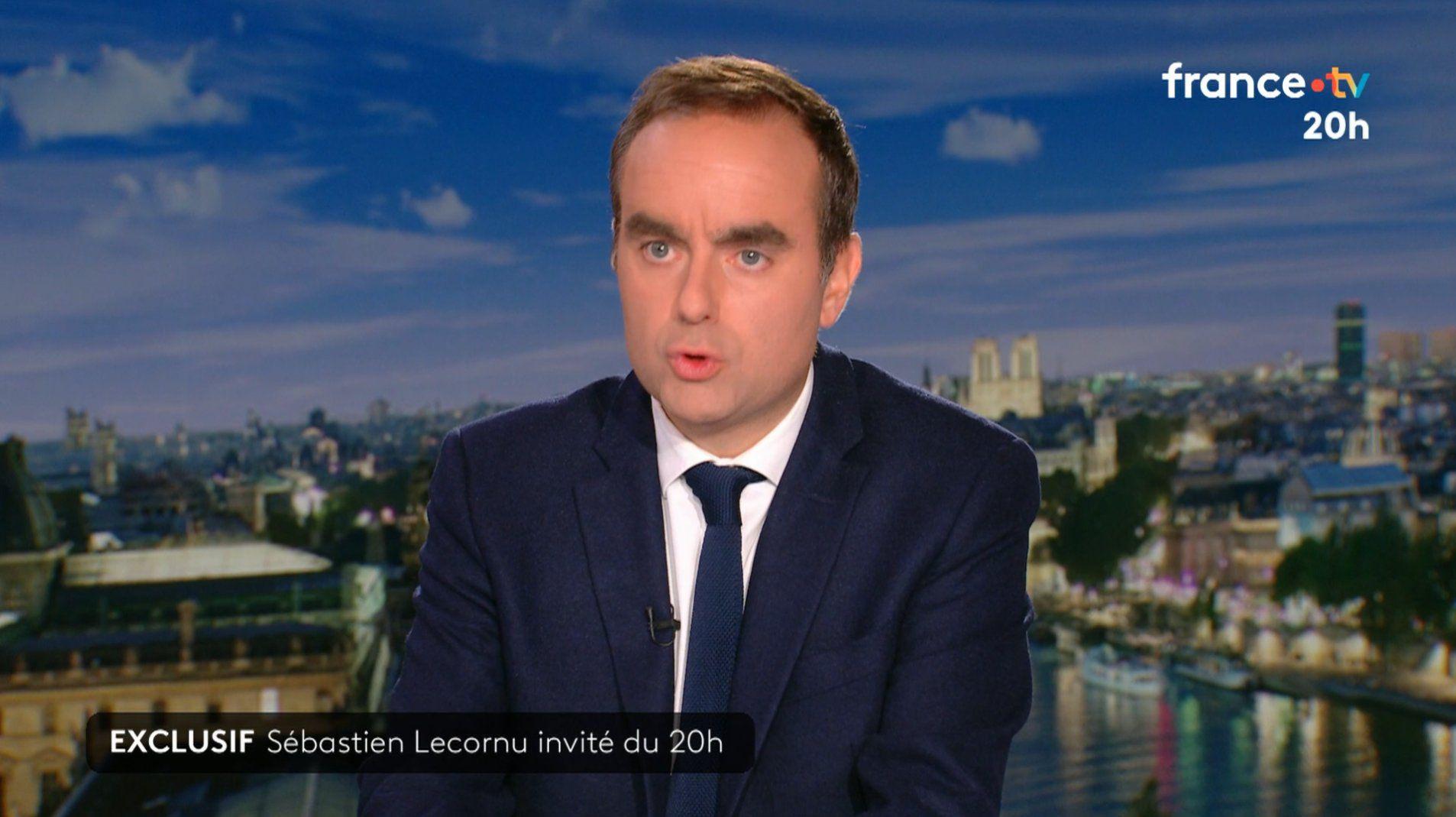
France faces a deepening political crisis with stalled negotiations to form a new government following the resignation of Prime Minister Sébastien Lecornu. After completing a 48-hour negotiation period mandated by President Emmanuel Macron, Lecornu announced that his mission is complete and that a new Prime Minister could be appointed within 48 hours. He expressed cautious optimism about reaching a budget compromise despite the fragmented National Assembly but highlighted the pension reform as a key divisive issue impacting public sentiment. Meanwhile, the Socialist Party remains inflexible, demanding the suspension of the pension reform as a non-negotiable condition for budget discussions and insisting that the new Prime Minister come from the left. Socialists, ecologists, and communists reiterated this position during talks with Lecornu, with Socialist leader Olivier Faure emphasizing the rejection of any coalition government with Macron's party and stressing the urgency of resolving the crisis. Parliamentary tensions are mounting as deputies grapple with fears of government dissolution; leftist member Matthias Tavel lamented the political stagnation following Lecornu's resignation, which came before deputies could act on a censure motion to topple the government. The National Rally, led by Jordan Bardella, has also criticized the Lecornu government as unacceptable and hinted at pursuing a motion of censure, reflecting increased tensions across the political spectrum. The government’s collapse has sent many deputies back to their constituencies amid widespread concern about the country's political future. This political deadlock occurs against the backdrop of urgent fiscal deadlines, with Lecornu announcing that a budget proposal will be submitted imminently to be passed by December 31 to avoid severe consequences for France. The situation remains unsettled as left-wing parties demand a leftist Prime Minister, the right flirts with censure motions, and the President weighs options to restore stability amid ongoing polarization.
Source articles (4)
-
lefigaro.fr Oct 8, 2025
Face à Sébastien Lecornu, la gauche continue de se montrer inflexible
-
Réforme des retraites, budget, démission d’Emmanuel Macron... Ce qu’il faut retenir de l’interview de Sébastien Lecornu sur France 2
-
Crise politique : au bord de l’implosion, la droite joue avec le feu
-
«Tout le monde panique» : à l’Assemblée, les députés entre lassitude et peur de la dissolution