Tensions Escalate in 2025 Public Audiovisual Commission Amid Accusations and Procedural Suspension
The French parliamentary commission on public audiovisual services suspends hearings amid intense internal conflicts and accusations of procedural misconduct.
Key details
- Jérémie Patrier-Leitus suspended hearing summons to restore procedural respect and dignity.
- Sibyle Veil and Patrick Cohen accused rapporteur Charles Alloncle of misrepresenting statements.
- Left-wing lawmakers accused UDR and RN parties of attempting to humiliate journalists.
- Commission created at UDR's request amid debate over public media privatization.
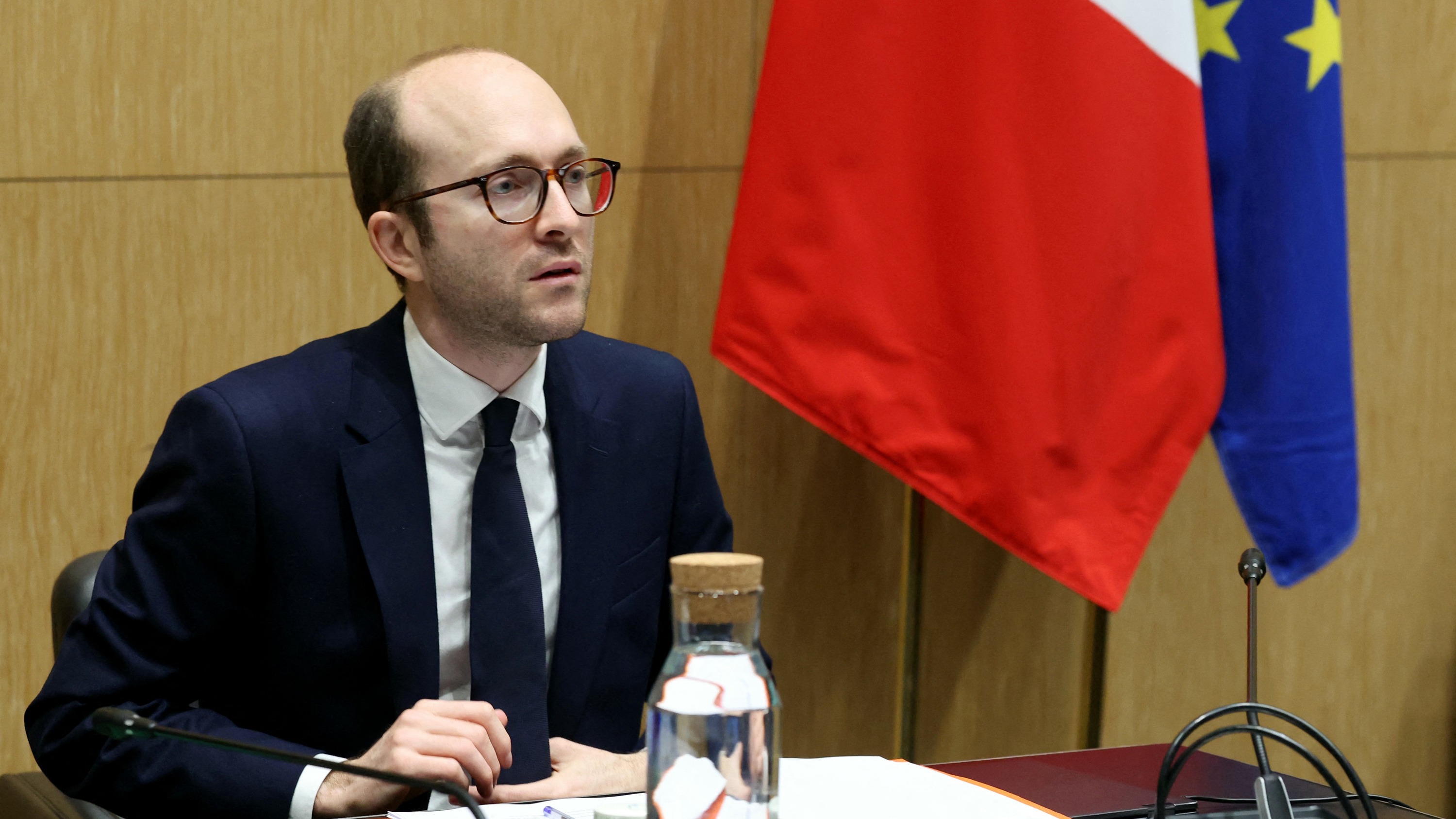
The parliamentary inquiry commission investigating public audiovisual services in France has faced escalating internal tensions and procedural disruptions. Jérémie Patrier-Leitus, the president of the commission, announced on December 23 the suspension of summons for hearings following multiple incidents and complaints about the distortion of statements during sessions. This pause aims to restore a "dignified, serious, and respectful framework" for the commission's work, with a meeting scheduled for January 6 to establish shared rules.
The tension reached a peak after Sibyle Veil, president of Radio France, publicly criticized the commission's rapporteur Charles Alloncle for misrepresenting her statements on social media. Left-wing lawmakers accused members from the UDR and RN parties of attempting to humiliate journalists during hearings, particularly after a controversial video surfaced showing journalists dining with Socialist Party officials.
Prominent political journalist Patrick Cohen openly challenged the commission's approach, accusing Alloncle of "malice" and distorting his statements, thus undermining the separation of powers. Cohen expressed doubts about the fairness and utility of his hearing on December 18 and highlighted the ongoing challenges regarding accusations against journalists.
Created at the request of the UDR, a party advocating for privatization and more pluralism in public audiovisual media, the commission has been fraught with conflicts and political disputes since its inception in late November. Despite the suspension of convocations, Patrier-Leitus emphasized that the commission's work continues, seeking to realign its procedural conduct.
Source articles (2)
-
lefigaro.fr Dec 23, 2025
Commission sur l’audiovisuel public : le président suspend les convocations en attendant de retrouver «un cadre digne»
-
Commission d’enquête sur l’audiovisuel public : dans une lettre, Patrick Cohen dénonce la «malveillance» du rapporteur Charles Alloncle
Source comparison
Date of hearing
Sources disagree on the date of Patrick Cohen's hearing before the Commission.
lefigaro.fr
"Patrier-Leitus announced the suspension of sending out summons for hearings on December 23."
lefigaro.fr
"Patrick Cohen expressed skepticism regarding the usefulness of his hearing on December 18, 2023."
Why this matters: Source 212829 states that the hearing was suspended on December 23, 2025, while Source 212927 claims Cohen's hearing took place on December 18, 2023. This discrepancy affects the timeline of events and the context of the Commission's actions.