Tensions Escalate in French Parliamentary Inquiry into Public Broadcasting
The French parliamentary inquiry into public broadcasting faces heightened tensions with public admonishments and political divisions amid ongoing hearings.
Key details
- Yaël Braun-Pivet publicly reprimanded Charles Alloncle to maintain commission credibility.
- Incidents included witnesses learning of hearings via media and session disruptions.
- Sibyle Veil and other Radio France executives were recently heard by the commission.
- Alloncle received political support while pledging to continue his mission despite pressures.
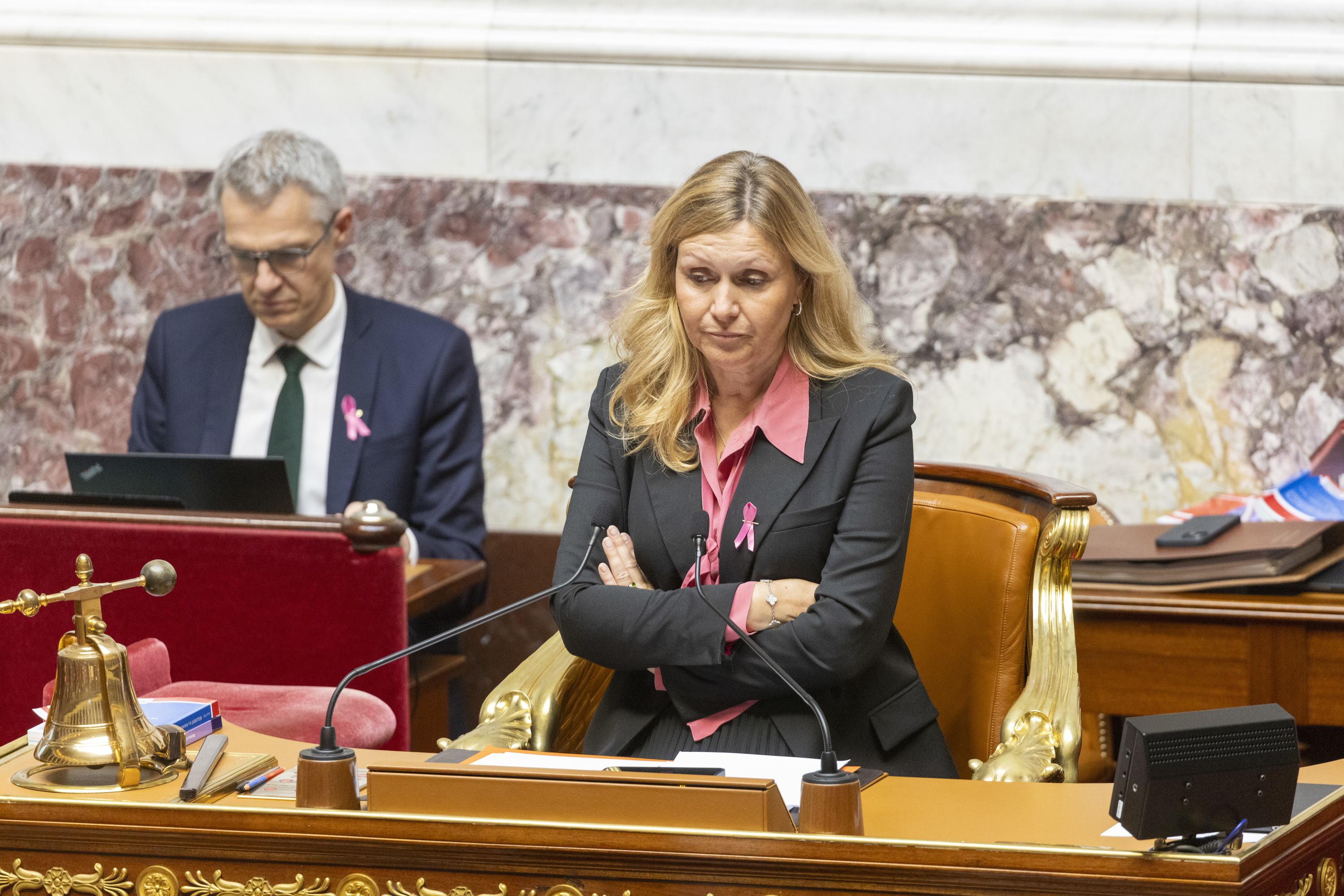
The parliamentary inquiry into public broadcasting in France has encountered increasing tensions, marked by public admonishments and procedural concerns. On December 17, 2025, Yaël Braun-Pivet, President of the National Assembly, publicly reprimanded Charles Alloncle, the inquiry's rapporteur, over his conduct during the investigation. Braun-Pivet emphasized the necessity of maintaining dignity and credibility within the commission, highlighting incidents where witnesses learned about their hearings through the press before official notification, and disruptions that undermined the inquiry's seriousness.
The inquiry, chaired by Jérémie Patrier-Leitus and initiated on November 25, examines the neutrality, operation, and funding of French public broadcasting. It recently heard from Delphine Ernotte, head of France Télévisions, and on the same day as Braun-Pivet’s remarks, received Sibyle Veil, President and CEO of Radio France, along with other key executives Charles-Emmanuel Bon and Marie Message.
Alloncle responded to Braun-Pivet's reprimand by accusing her of attempting to destabilize the investigation through public pressure and vowed to continue his mission without intimidation. His stance received support from members of the Rassemblement national and the UDR party, underscoring political tensions within the commission.
Observers, including deputies Jérémie Iordanoff and Sophie Taillé-Polian, have pointed to repeated disruptions during sessions, including public disputes and reprimands among participants, which Braun-Pivet suggests could erode the parliamentary inquiry's credibility. She also urged Alloncle to exercise restraint in public statements, particularly on social media, as the inquiry proceeds.
This inquiry into public broadcasting remains a crucial oversight mechanism in French media governance, but the emerging procedural frictions and political divisions highlight challenges in balancing transparency, respect, and effectiveness in parliamentary investigations.
Source articles (3)
-
lefigaro.fr Dec 17, 2025
Commission d’enquête sur l’audiovisuel public : Yaël-Braun Pivet rappelle à l’ordre le rapporteur Charles Alloncle
-
lemonde.fr Dec 17, 2025
Commission d’enquête sur l’audiovisuel public : Thomas Legrand dénonce une « barbouzerie », Yaël Braun-Pivet adresse un « rappel à l’ordre »
-
EN DIRECT - Commission d’enquête sur l’audiovisuel public : les députés reçoivent Sibyle Veil, directrice générale de Radio France