Areva (Orano) Faces Trial Over 2010 Niger Hostage Kidnappings Due to Alleged Negligence
Areva, renamed Orano, is being prosecuted for negligence in connection to the 2010 kidnapping of French nationals in Niger, highlighting failures in employee security measures.
Key details
- Areva (Orano) is being tried for involuntary injuries from the 2010 kidnapping near Arlit uranium mine.
- The kidnapping involved five French nationals held captive up to 1,139 days before release.
- Charges include negligence and failure to implement adequate security measures despite warnings.
- Legal scrutiny highlights Areva's underestimation of Al-Qaïda threats and insufficient site protection.
Areva, now operating as Orano, is set to face trial for involuntary injuries linked to the 2010 kidnapping of five French nationals near the uranium mine in Arlit, Niger. The legal proceedings center on accusations of negligence and a failure to provide adequate security measures, despite repeated warnings about the escalating Al-Qaïda threat in the region.
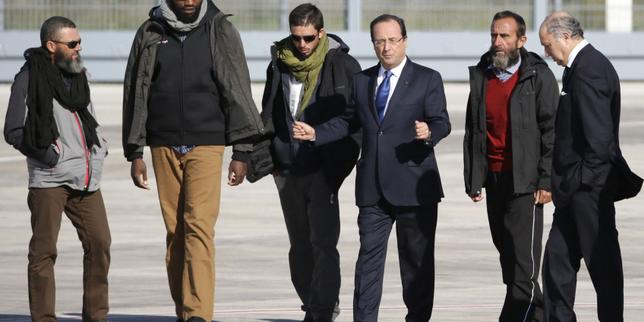
The kidnappings on September 15-16, 2010, involved five French citizens, along with a Malagasy and a Togolese national. One hostage was released after five months due to illness, while the others endured captivity for 1,139 days before their release in October 2013. Investigations revealed that the mining site was secured only by unarmed private guards with no emergency plans, despite a government contract for protection.
Olivier Morice, lawyer for former hostage Pierre Legrand, criticized Areva for underestimating the risk and not implementing essential safety measures to protect its employees. Although Areva claimed its security protocols were adequate, there was an acknowledged failure in their execution. Judges pointed to a persistent underestimation of the dangers posed by Al-Qaïda in the area. The charges specifically cite negligence, imprudence, and non-compliance with legal safety obligations, resulting in prolonged harm to the employees.
This trial vividly exposes the complex challenges multinational companies face when operating in high-risk areas and the legal responsibilities they bear toward employee safety. The court order to proceed was issued on September 26, with the trial expected to scrutinize the depth of Areva’s accountability in this tragic episode.
Source articles (2)
-
lemonde.fr Oct 19, 2025
Français enlevés au Niger en 2010 : Areva, devenu Orano, sera jugé pour « blessures involontaires »
-
lefigaro.fr Oct 19, 2025
Quinze ans après l’enlèvement de Français au Niger, Areva sera jugé pour «blessures involontaires»
Source comparison
Timeline of hostage releases
Sources disagree on the timeline of hostage releases during the kidnapping incident.
lemonde.fr
"One hostage was released due to illness after five months."
lefigaro.fr
"The first three hostages were released in February 2011."
Why this matters: The first source states that one hostage was released due to illness after five months, while the second source claims that the first three hostages were released in February 2011, which is inconsistent with the first source's timeline. This discrepancy is significant as it affects the understanding of the sequence and duration of the hostage situation.