Coordination Rurale Farmers Rally with Tractors in Paris Against Mercosur Deal and Government Policy
Farmers from Coordination Rurale bring tractors into Paris to protest the Mercosur deal and government policies, causing major city disruptions despite official bans.
Key details
- A convoy of about a hundred tractors entered Paris early on January 8 to protest against the Mercosur trade deal and government agricultural management.
- Authorities issued a prefectural ban on unauthorized gatherings around political institutions and symbolic areas such as the Eiffel Tower and Champs-Elysées.
- Despite the ban, farmers gathered near key sites in Paris, causing major disruptions including road closures and traffic jams up to 150 km.
- The protest led to clashes with police and some detentions; the government called the operation illegal but farmers pressed on.
- The protests are part of a broader mobilization demanding government action on agricultural issues, with policy announcements expected soon.
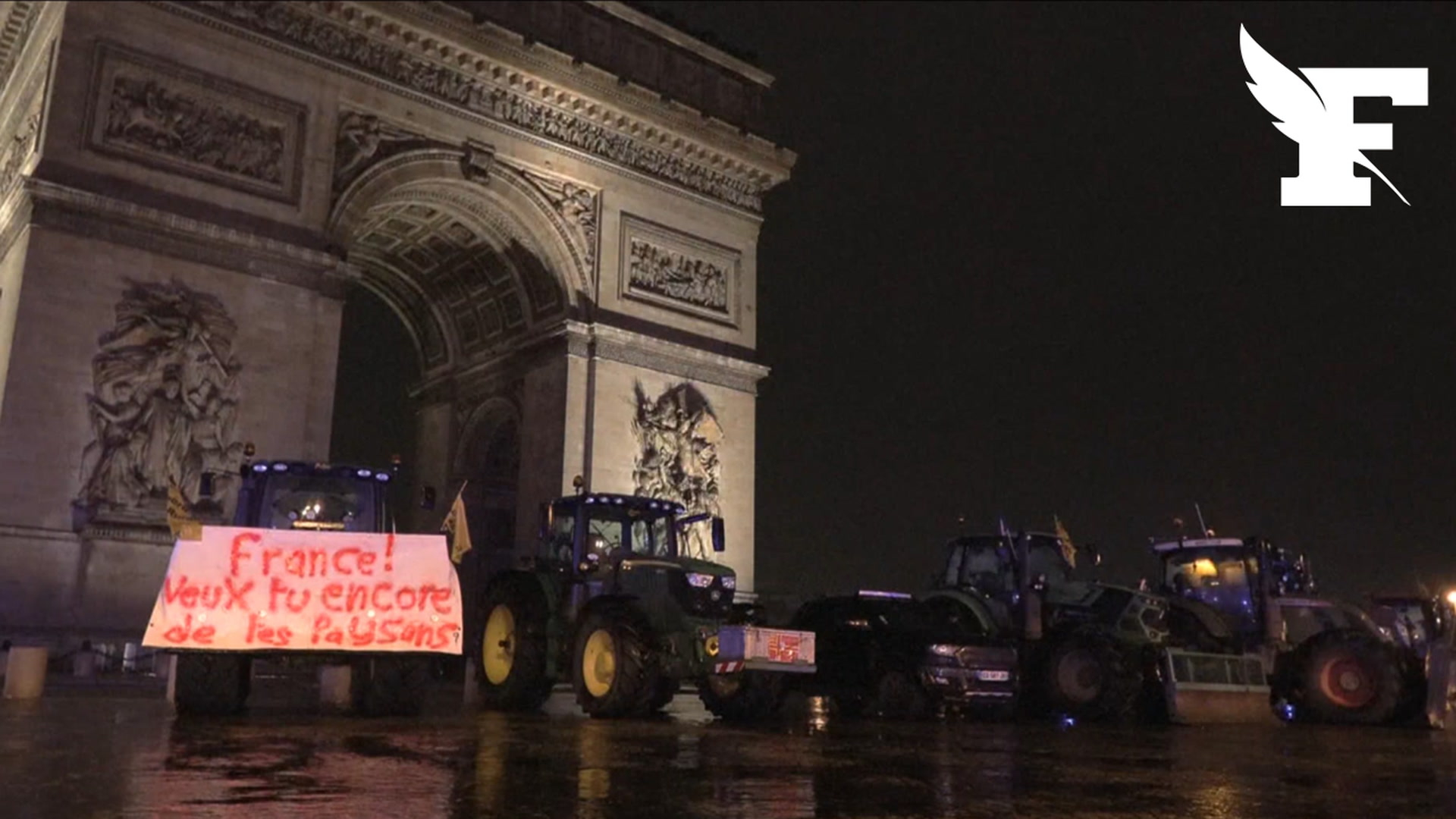
On January 8, 2026, farmers from the Coordination Rurale union mounted a significant protest in Paris, bringing a convoy of tractors into the capital to oppose the EU-Mercosur trade agreement and government management of agricultural issues such as the bovine nodular dermatitis epizootic. Beginning just after 5 a.m., dozens of tractors entered Paris through its southern gates, passing landmarks including the Eiffel Tower, Arc de Triomphe, and making their way along the Champs-Elysées and Porte d’Auteuil.
Despite a prefectural order issued the previous evening banning unauthorized gatherings near major political institutions and symbolic sites such as Matignon, the National Assembly, Ministry of Agriculture, Élysée Palace, Senate, and INRAE, the farmers proceeded with their protest. This led to significant disruptions in the city, including the closure of roads and highways such as the A13 and major traffic congestion with jams reportedly reaching up to 150 kilometers.
The government labeled the protests an "illegal operation," and the Paris police had deployed measures to enforce the restrictions, resulting in clashes with some farmers and a few detentions. Nevertheless, the farmers persisted in their demonstration to press for attention to their grievances, which also include complaints about rising fertilizer prices. The FNSEA, another agricultural union, planned parallel supportive actions in Paris, including symbolic gestures.
Philippe Tabarot, Minister of Transport, expressed his concern about the mobility issues caused by the protests, emphasizing the impact on traffic and access to the city. Coordination Rurale leaders, such as Ludovic Ducloux, noted that despite police presence, the tractors reached their designated locations without major hindrance.
This protest represents part of an escalating mobilization that began in December 2025, putting pressure on the government to respond with agricultural policy announcements expected later in the week. The protests underscore widespread frustration within the farming community about trade deals, disease management, and economic challenges affecting agriculture.
Source articles (5)
-
lefigaro.fr Jan 8, 2026
Colère agricole : les premières images des tracteurs arrivés à Paris
-
liberation.fr Jan 8, 2026
EN DIRECT - Une centaine de tracteurs dans Paris, le gouvernement dénonce une opération «illégale»
-
francebleu.fr Jan 8, 2026
Paris : les agriculteurs de la Coordination Rurale rassemblés à la tour Eiffel et porte d'Auteuil, l'A13 fermée
-
lemonde.fr Jan 8, 2026
Colère des agriculteurs : des tracteurs de la Coordination rurale sont entrés dans Paris
-
Accident du travail: le gouvernement augmente le budget de l’INRS
Source comparison
Number of tractors
Sources disagree on the number of tractors involved in the protest.
lefigaro.fr
"a few dozen tractors have entered through the southern gates of the city"
francebleu.fr
"around 15 tractors made their way from a farm in Essonne"
Why this matters: One source states 'a few dozen tractors' while another mentions 'around 15 tractors'. This discrepancy affects the perceived scale of the protest.