Deadlock and Political Shifts Complicate France's 2026 Budget Negotiations
France's 2026 budget negotiations face major deadlock amid political upheaval, leading to temporary legislative fixes and ongoing talks.
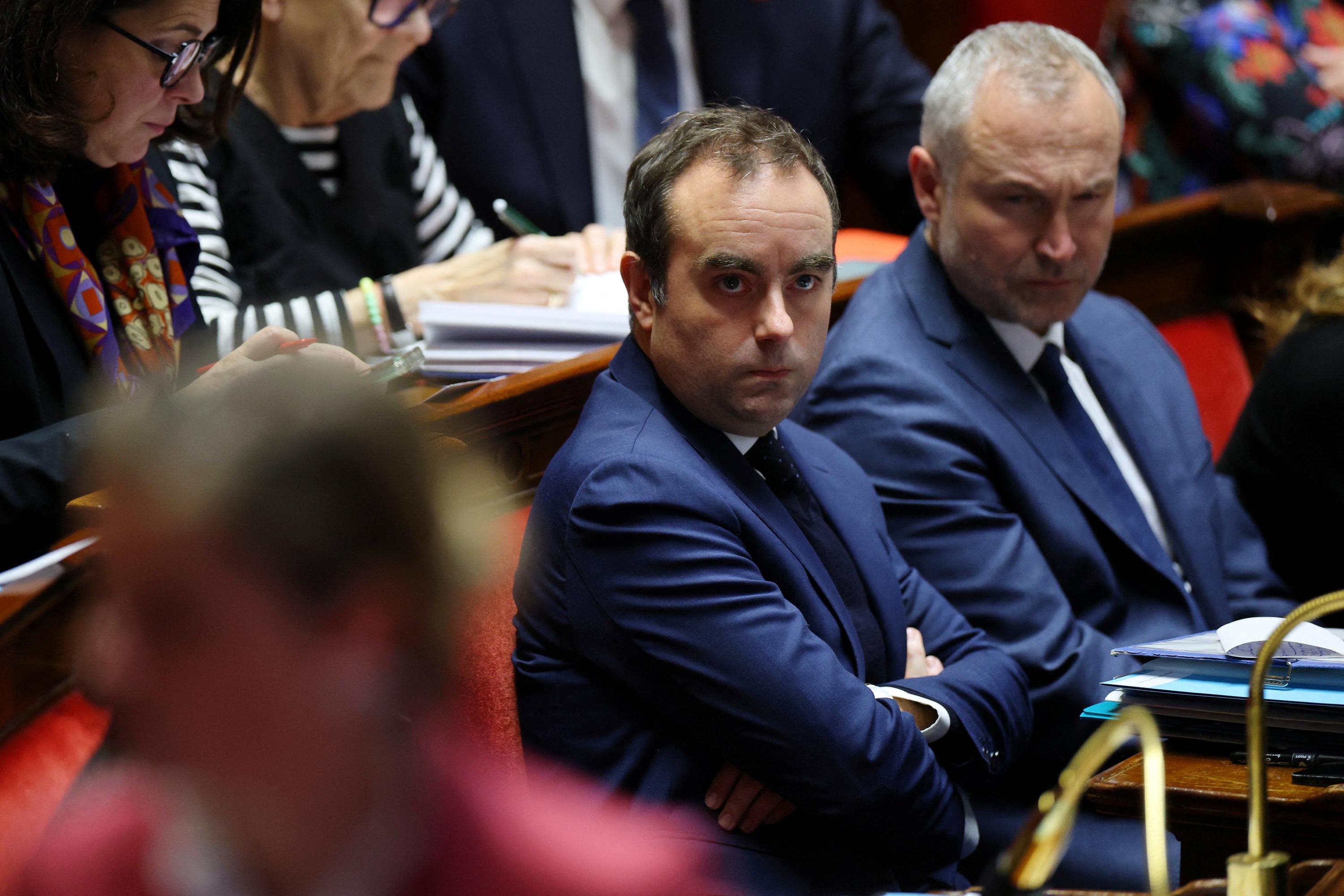
Key details
- Negotiations for France's 2026 budget stalled after a failed December 19 parliamentary meeting.
- The government passed a special law on December 23 to manage the temporary absence of an approved budget.
- Sébastien Lecornu, the new Prime Minister since September, initiated bilateral talks with political groups to seek solutions.
- Significant political changes in 2025, including Marine Le Pen's conviction and shifts within the Socialist Party, influence the budget process.
As of late December 2025, France faces significant challenges in adopting its 2026 budget amidst a complex political backdrop. Negotiations over the budget law (PLF) have reached a deadlock, with a critical parliamentary meeting on December 19 collapsing within half an hour without compromise on key fiscal issues. This failure extinguished hopes of passing the budget before the start of the new fiscal year. In response to the impasse, on December 23, the government successfully passed a special law in Parliament aimed at temporarily addressing the absence of an approved budget.
Prime Minister Sébastien Lecornu, who assumed office following François Bayrou's resignation in September, has initiated bilateral talks with various political groups to find potential solutions. However, opposition voices remain skeptical; Socialist deputy leader Boris Vallaud remarked that the only definitive course offered by the Prime Minister was to resume budget discussions in early 2026.
These budgetary difficulties unfold against a backdrop of sweeping political changes throughout 2025. Bayrou's loss of a confidence vote after his controversial budget proposal to cut 40 billion euros precipitated his exit as Prime Minister. Lecornu's arrival marked the fifth prime ministerial change within 21 months, reflecting ongoing instability. The political landscape also shifted dramatically with Marine Le Pen's conviction and ensuing disqualification from public office, reshaping right-wing leadership dynamics ahead of the 2027 presidential election.
Meanwhile, the Socialist Party changed course from opposition to cooperative partnership with the government, supporting both budget and pension reforms. This realignment contrasts with earlier leftist efforts to unseat government figures such as Barnier. The year closed with uncertainties not only surrounding the national budget but also France's broader political stability as Emmanuel Macron faces rising criticism from former allies.
With the negotiations set to resume in early January, France's fiscal policy and political cohesion enter a critical phase, underscoring the challenges ahead as the country prepares for upcoming elections and economic planning.
Source articles (2)
-
lefigaro.fr Dec 29, 2025
Budget 2026 : quels sont les derniers points de blocage avant l’adoption du texte ?
-
france24.com Dec 29, 2025
2025, l’année où le paysage politique français a été redessiné