Death of Quentin in Lyon Sparks Political Violence Debate and Blame
The violent death of Quentin, a 23-year-old nationalist activist in Lyon, fuels sharp political blame and calls for investigation amid concerns over rising extremism and political violence.
Key details
- Quentin, a 23-year-old nationalist and recent Catholic convert, died after a violent attack during a political security mission in Lyon.
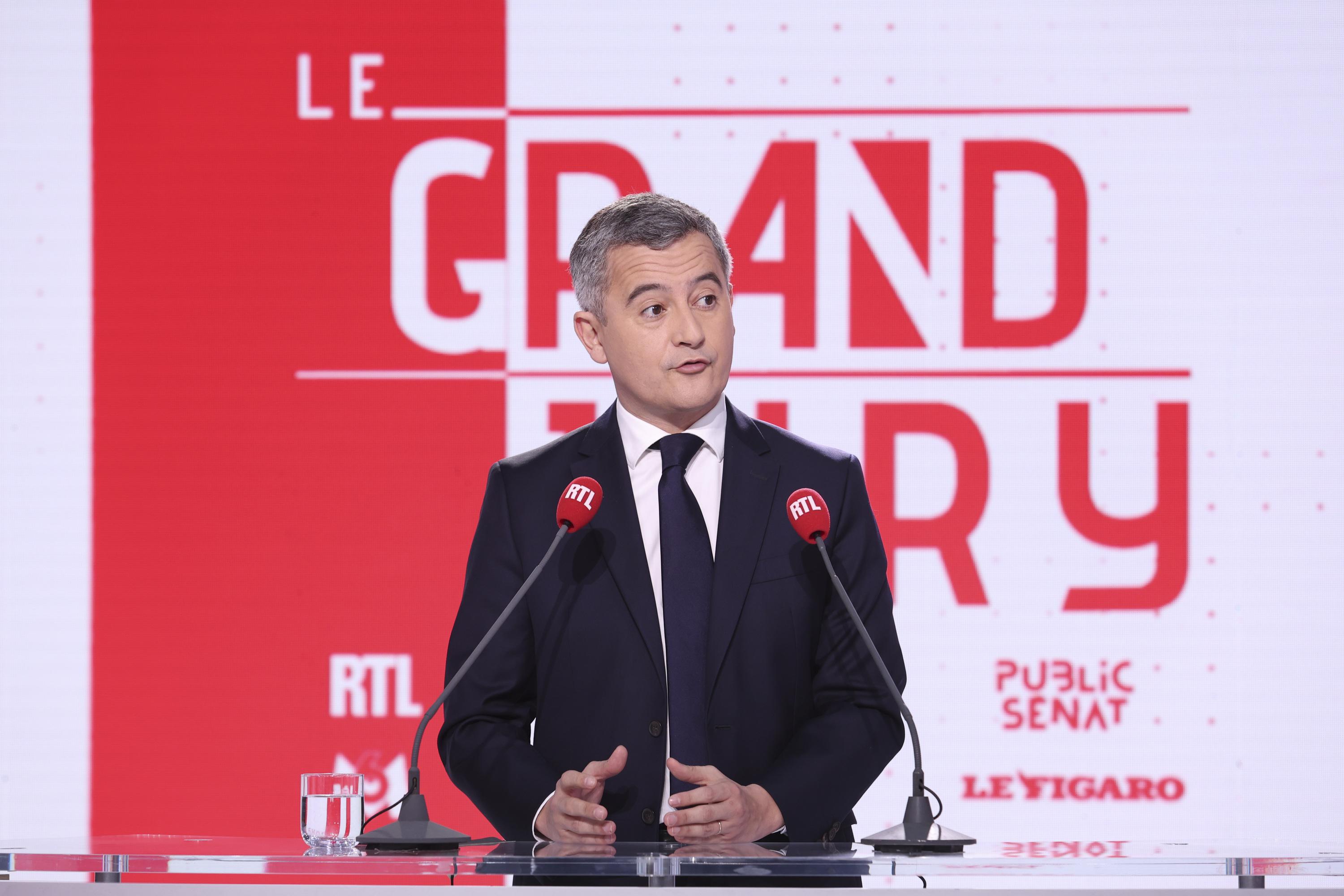
- Justice Minister Gérald Darmanin blamed far-left groups and condemned La France insoumise's complacency and inadequate response.
- LFI suggests antifascist groups might be responsible, but Darmanin urges careful investigation and warns of political rhetoric inciting violence.
- Darmanin highlighted growing political extremism and called for more compassionate, responsible political discourse to protect democracy.
A 23-year-old man named Quentin died on February 14 after a violent attack in Lyon linked to a political event. Quentin, who was providing security for the nationalist group Némésis during the incident, had recently converted to Catholicism and was active in nationalist circles. The attack occurred on Thursday and resulted in Quentin's death the following day.
French Justice Minister Gérald Darmanin condemned the violence as a "cowardly" act, attributing responsibility to the "ultragauche" (far-left) while emphasizing that investigations are ongoing to clarify the circumstances. Darmanin highlighted disturbing footage of what he described as a lynching and expressed concern about the escalating harshness of political rhetoric fueling such violence.
Darmanin criticized La France insoumise (LFI) for complacency towards political violence and for their inadequate responses following the tragedy. He called on LFI leaders, including Jean-Luc Mélenchon and MEP Rima Hassan—whose event Quentin was protecting—to show compassion for the victim’s family. While LFI has suggested that antifascist groups like the Jeune Garde might be responsible, Darmanin refrained from naming specific groups but warned that extreme political speech may provoke physical attacks on officials and damage to public order.
The justice minister also referenced other recent violent incidents, such as an assault on MP Karl Olive, as signs of a fragile democracy challenged by the deterioration of political discourse. He rejected claims by LFI blaming the police for deaths and insisted that the far-left bears responsibility for recent acts of violence. Darmanin’s comments underscore the urgency of restoring calmer political dialogue to prevent further tragedies.
The death of Quentin, a militant connected to far-right and Catholic traditionalist movements, has thus intensified the debate on political violence in France, exposing deep divisions and the risks posed by radical rhetoric on all sides.