Escalating Farmer Protests and Expanded Control Zones Amid New Nodular Dermatitis Outbreak in Southern France
New nodular dermatitis outbreaks in Haute-Garonne have intensified farmer protests and expanded government control measures in southern France.
Key details
- New nodular dermatitis case confirmed in Haute-Garonne prompting expanded regulated and vaccination zones.
- Farmer protests escalated with highway blockades and confrontations with law enforcement in Ariège.
- Agriculture Minister defends culling protocol, citing effectiveness from past outbreaks.
- EU-Mercosur trade talks add tension, with farmers opposing the agreement.
On December 13, 2025, French farmers intensified their protests against government-mandated cattle culling implemented to contain the contagious nodular dermatitis (DNC), following fresh outbreaks in southern France. The disease has newly been confirmed in Haute-Garonne, marking an extension of the affected regions after earlier cases in Ariège and Hautes-Pyrénées. Christian Dequé, president of the Haute-Garonne Chamber of Agriculture, reported that the regulated zone now encompasses 444 municipalities and the vaccination area has been expanded to cover the department entirely. He emphasized the vital importance of rigorous animal monitoring and strict biosafety measures, urging pet owners to vaccinate promptly.
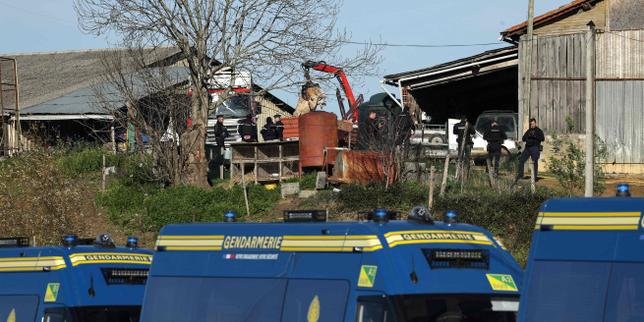
Tensions escalated notably after clashes occurred on December 12 in Bordes-sur-Arize, Ariège, where law enforcement removed a single infected cow from a large herd of 208 animals targeted for culling, consistent with European protocols. This enforcement has heightened farmer frustration and opposition, creating confrontations with authorities.
Agriculture Minister Annie Genevard defended the culling strategy in an interview, affirming its efficacy based on previous successes in earlier outbreaks in Savoie and Haute-Savoie. Meanwhile, the backdrop of these agricultural disputes is further complicated by the upcoming EU discussions on a trade deal with Mercosur countries, which French farmers strongly oppose.
Currently, farmers have maintained their pressure by blocking major highways A64 and A65 in the Pyrénées-Atlantiques, signifying the breadth of unrest tied to the government's disease control measures. The situation remains volatile as authorities balance disease containment with addressing farmer grievances.
Source articles (2)


Source comparison
Location of new DNC case
Sources report conflicting locations for the new case of nodular dermatitis.
lemonde.fr
"The disease re-emerged on December 9 in Ariège and Hautes-Pyrénées."
lefigaro.fr
"A first case of nodular dermatitis has been confirmed in Haute-Garonne."
Why this matters: One source states a new case was confirmed in Haute-Garonne, while the other does not mention this and focuses on outbreaks in Ariège and Hautes-Pyrénées. This discrepancy affects understanding of the disease's spread and the areas impacted.