EU-Mercosur Free Trade Agreement Signed Amid Strong French Agricultural Opposition
The EU and Mercosur have signed a historic free trade agreement, despite vocal opposition from French farmers and local authorities concerned about agricultural impact.
Key details
- The EU-Mercosur free trade agreement was signed on January 17, 2026, in Asuncion, Paraguay.
- The treaty opens trade between 700 million consumers and aims to boost European exports while importing South American products.
- French farmers and local authorities, like those in Loiret, oppose the agreement and have banned South American food in school cafeterias.
- European leaders, including Ursula von der Leyen and Antonio Costa, emphasize the agreement's diplomatic and economic benefits despite opposition.
On January 17, 2026, the long-awaited free trade agreement between the European Union and Mercosur was officially signed in Asuncion, Paraguay. This landmark treaty, negotiated over more than 25 years, aims to integrate a market of 700 million consumers representing 30% of the global GDP, and is expected to bolster European exports of cars, machinery, wines, and cheeses while opening EU markets to South American products like beef, poultry, sugar, rice, honey, and soy.
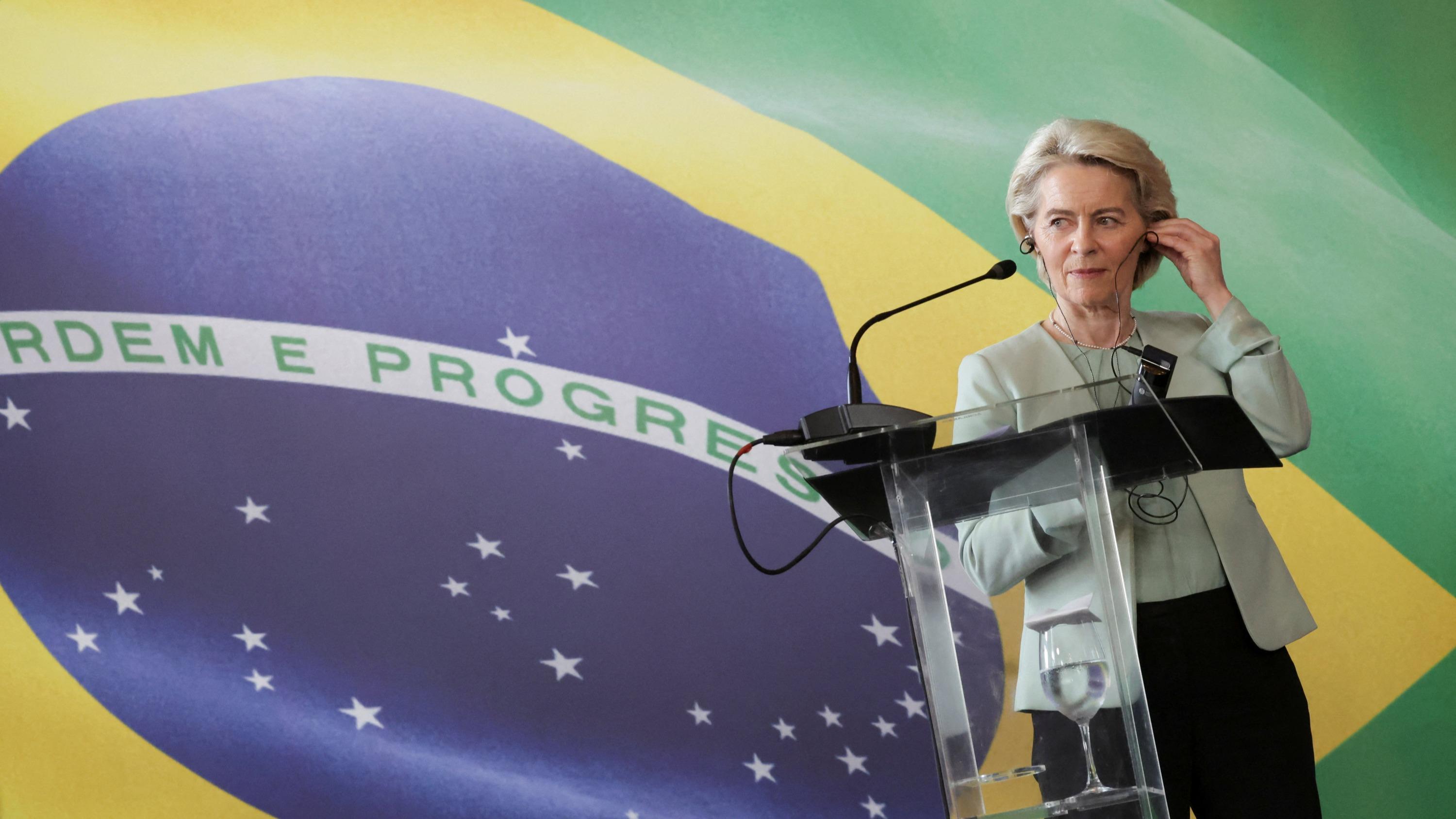
Despite the economic potential highlighted by European Commission President Ursula von der Leyen and other dignitaries at the signing ceremony—including Portuguese Prime Minister Antonio Costa and Brazilian President Luiz Inacio Lula da Silva—opposition remains strong particularly in France. French agricultural communities have raised serious concerns about the impact of cheaper South American imports on local producers and questioned whether these products will meet EU standards.
Reflecting this resistance, certain French local authorities, such as those in the Loiret region, have taken a stance against the agreement by banning South American food products from school cafeterias. French farmers continue their protests, worried about the treaty's consequences on their livelihoods and the broader agricultural sector. This opposition contrasts with the broader majority of EU member states that support the agreement, seeing it as a significant opportunity to strengthen diplomatic ties with Latin America and stimulate economic growth amidst a challenging global trade environment marked by protectionism and tensions.
The EU-Mercosur deal symbolizes a critical effort to deepen international cooperation and open new markets. However, it also spotlights the tension between promoting free trade and protecting local agricultural sectors—most vividly expressed by France's vocal response and concrete local bans on South American imports.
Source articles (2)
-
france24.com Jan 17, 2026
Signature de l'accord UE-Mercosur, des collectivités françaises dénoncent l'accord
-
lefigaro.fr Jan 17, 2026
L’accord commercial avec les pays du Mercosur sera signé aujourd’hui au Paraguay
Source comparison
Location of signing
Sources disagree on the location of the signing ceremony
france24.com
"The signing of the agreement between the European Union and Mercosur is set for Saturday, January 17."
lefigaro.fr
"The free trade agreement between the European Union (EU) and Mercosur, which has been in negotiation for over 25 years, is set to be signed on January 17 in Asuncion, Paraguay."
Why this matters: One source states the signing will occur in Asuncion, Paraguay, while the other mentions it will take place on January 17 without specifying the location. This discrepancy is significant as it affects the understanding of where the event is happening.