France Faces Complex Wage Negotiations Amid Rising Inflation and Political Tensions
France grapples with difficult wage negotiations amid inflation and political accusations targeting the Banque de France governor.
Key details
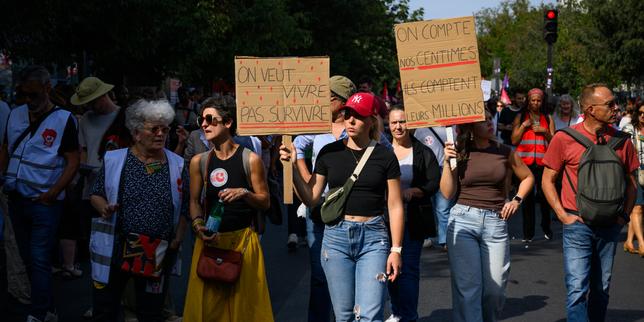
- Employees in public and private sectors demand salary increases amid rising costs.
- Wage negotiations are complicated by budget constraints and economic uncertainty.
- Strike calls have emerged in various companies reflecting worker dissatisfaction.
- Political tensions rise as Banque de France governor denies accusations from Jean-Luc Mélenchon.
As of October 7, 2026, employees in both the private and public sectors of France are demanding salary increases due to erosion in purchasing power caused by sustained high costs, including expensive fuel. Negotiating these wage adjustments remains challenging given limited economic visibility and state budget constraints. The debate over how to fairly distribute value added complexity to ongoing discussions. Workers’ unrest has manifested in strike calls across several companies, indicating deepening dissatisfaction among labor forces.
Meanwhile, the political climate intensifies as Emmanuel Moulin, governor of the Banque de France, faces accusations from left-wing presidential candidate Jean-Luc Mélenchon. Mélenchon claims Moulin’s public stance abroad amounts to a betrayal of France, alleging that Moulin implicitly called on speculators to sanction the country in reaction to his policy proposals. Moulin has firmly rejected these allegations, affirming he will not be intimidated.
These developments occur against the backdrop of the approaching presidential election, which further heightens tensions around economic management and national unity. The interplay between wage pressures, fiscal limitations, and political discord underlines the complex economic challenges France is currently navigating.
Source articles (2)
-
lemonde.fr Oct 7, 2026
Le défi des augmentations de salaire annuelles, sous la pression de salariés au pouvoir d’achat érodé par des mois d’essence trop chère
-
« Je ne me laisserai pas intimider », répond le gouverneur de la Banque de France à Jean-Luc Mélenchon, qui l’accuse de « trahison »