France's 2026 Social Security Budget Passes Amidst Political Tensions and Government Concessions
The French Assembly approved the 2026 Social Security budget after a tense debate, amid opposition over medical tariff reforms and narrow vote margins supporting the government's proposal.
Key details
- The 2026 Social Security budget was approved by the National Assembly with 247 votes for and 234 against.
- The government withdrew an amendment on unilateral medical tariff adjustments following opposition from medical unions and politicians.
- The Socialist Party supported the budget, while LFI and Rassemblement national opposed it; environmentalists sought further negotiations.
- The budget now moves to the Senate before a final reading at the Assembly.
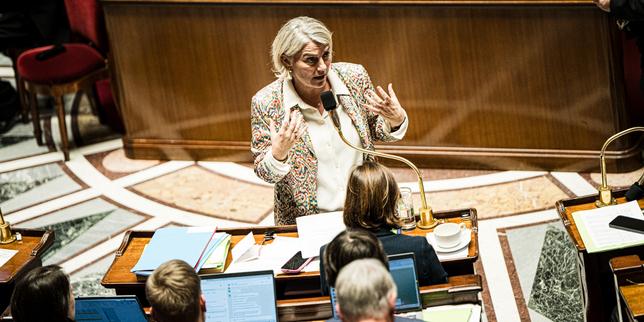
The French National Assembly narrowly approved the 2026 Social Security budget on December 9, 2025, marking a significant but contentious victory for Prime Minister Sébastien Lecornu. The final vote tally was 247 in favor against 234 opposing, reflecting sharp political divides and intense parliamentary debate.
The approval followed extensive discussions and behind-the-scenes negotiations among government members, the Socialist Party, environmentalists, and the opposition. Notably, the Socialist Party supported the budget, while left-wing La France insoumise (LFI) and far-right Rassemblement national firmly opposed it. Environmentalists withheld immediate support, seeking further negotiations on hospital funding. The center-right Republicans (LR) exhibited internal tension with some support abstaining, including significant figures such as Bruno Retailleau, Laurent Wauquiez, and Édouard Philippe. The President of the National Assembly also voted in favor, despite typically refraining from voting on such matters.
The government's original plan included an amendment in Article 24 to give Assurance-maladie unilateral powers to revise medical tariffs when excessive profits were detected, targeting specialties like radiotherapy, imaging, dialysis, and nephrology. However, strong opposition from liberal medical unions and political figures, including Republicans' Laurent Wauquiez, led to the amendment's withdrawal to allow revision. Health Minister Stéphanie Rist emphasized that the revised version contained no unilateral decisions. Nonetheless, critics such as Ecologist deputy Hendrik Davi highlighted the rising profitability in clinics and radiotherapy, from 15% to 25%, voicing concerns about social impacts.
The budget now proceeds to the Senate for further review before returning to the Assembly for a final reading. CFDT Secretary General Marylise Léon described the legislative process as "chaotic," reflecting the complex and turbulent environment surrounding the bill.
This episode underscores the delicate balancing act the French government faces in managing social welfare expenditures amid political fragmentation and sectoral pressures, with Prime Minister Lecornu securing a narrow but pivotal legislative victory at this stage.
Source articles (4)
-
lefigaro.fr Dec 9, 2025
Le budget de la Sécurité sociale adopté d’une courte majorité à l’Assemblée nationale, le récit d’une journée à suspense
-
france24.com Dec 9, 2025
Adoption du budget de la Sécurité sociale 2026
-
Votre député a-t-il voté le budget de la Sécurité sociale ?
-
lemonde.fr Dec 9, 2025
EN DIRECT, budget de la « Sécu » : la partie « dépenses » du budget de la Sécurité sociale adoptée à l’Assemblée