French Government Pushes for Compromise Amid 2026 Budget Rejection
France’s government pushes for parliamentary compromise after the 2026 budget’s rejection, considering a special budget law as last resort to avoid financial crisis.
Key details
- The 2026 budget was rejected by the National Assembly.
- Amélie de Montchalin urges parliamentary compromise and dismisses special measures like Article 49.3.
- A special budget law extending 2025’s budget is considered a last resort to avoid payment defaults.
- Prime Minister Lecornu hopes for compromise and political responsibility to resolve the budget deadlock.
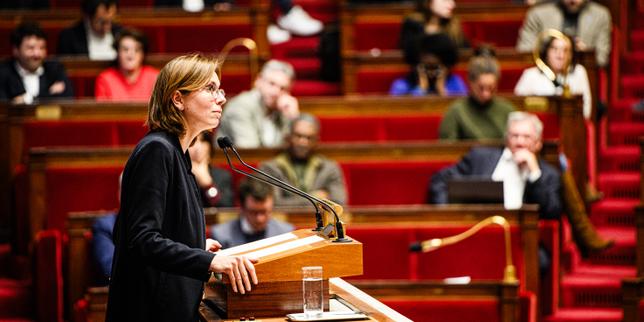
Following the National Assembly's overwhelming rejection of the 2026 budget, French government officials led by Minister of Public Accounts Amélie de Montchalin and Prime Minister Sébastien Lecornu are advocating for a parliamentary compromise to resolve the impasse. Speaking on November 23, 2025, during an LCI/Le Parisien broadcast, de Montchalin expressed optimism about reaching an agreement, highlighting a recent favorable vote on the revenue section of the social security finance bill as a positive sign. She stressed that relying on special legislative measures like Article 49.3 or government ordinances to pass the budget is not an option, aligning with Lecornu's opposition to such tactics.
With the traditional budget plan dismissed, discussions have turned to the possibility of a special budget law that would temporarily extend the 2025 budget. Eric Coquerel, president of the National Assembly's finance committee, indicated that this "last resort" option is now the most likely outcome. De Montchalin described the special law as a "parachute of last resort" designed to avoid a state payment default and maintain continuity in payments to creditors, government employees, and social programs. However, she warned that this measure would inhibit new savings or investments, representing a failure to reach consensus and potentially undermining France's economic stability.
Prime Minister Lecornu also reiterated government hopes to find common ground in Parliament, emphasizing the critical need for political responsibility following the budget's rejection. Opposition parties are increasingly considering the special law to ensure the state's functioning amidst ongoing negotiations. The Senate’s finance committee is expected to further examine the state budget’s revenue components in upcoming sessions, keeping the fiscal discussions active as the government seeks to prevent a financial crisis.