French Government Races to Implement Emergency Budget Law Following Parliamentary Deadlock
Facing a parliamentary stalemate, the French government is urgently pursuing a special budget law and consultations to prevent a shutdown of state functions for 2026.
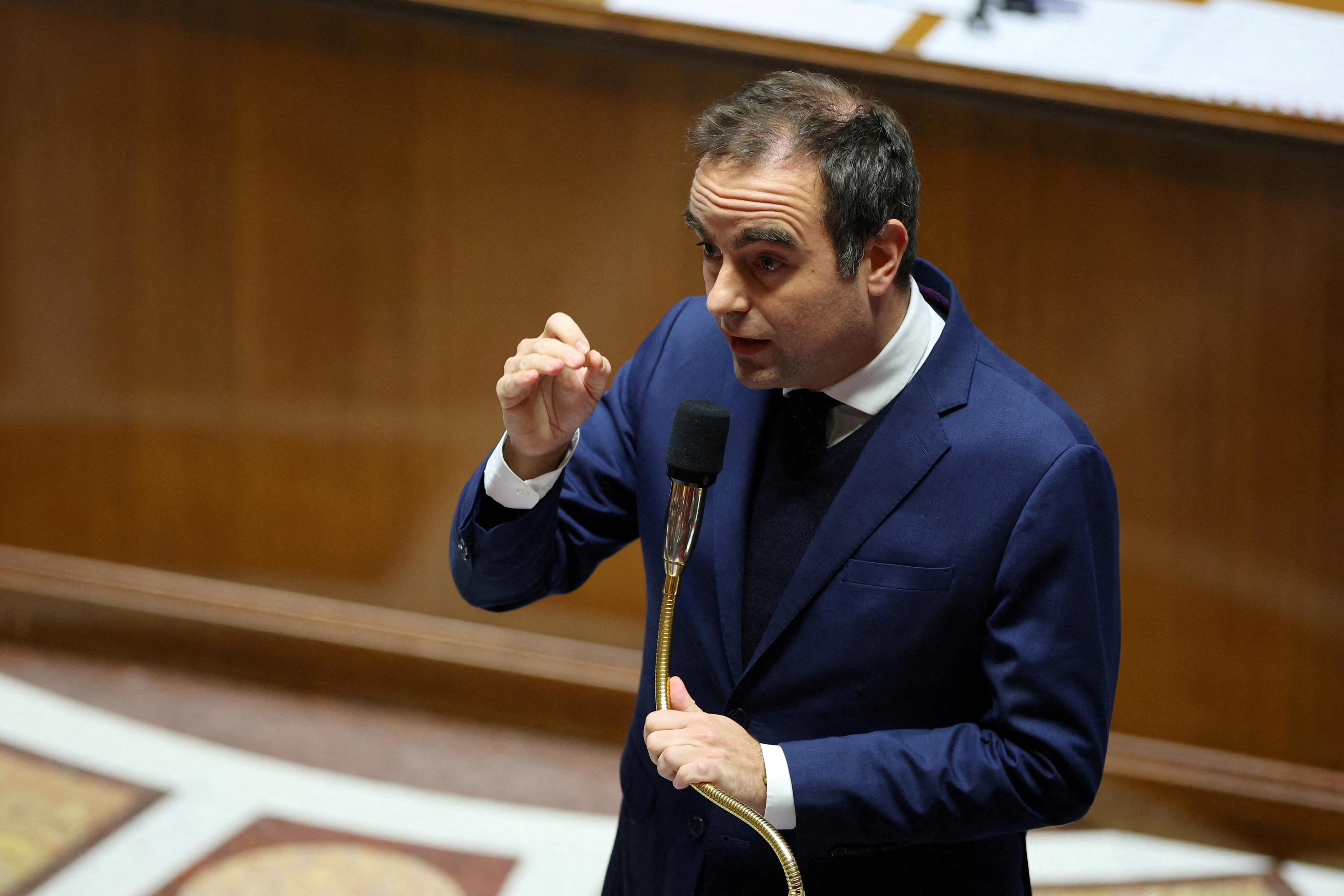
Key details
- The mixed parliamentary commission failed to pass the 2026 budget before January 1.
- Minister Sébastien Lecornu is consulting leaders from all major political groups to find a solution.
- A special law will extend the 2025 budget to maintain state operations and tax collection.
- The government may invoke Article 49.3 to pass the budget without Assembly approval if needed.
The French government is urgently pushing to pass a special law to maintain state functions after the failure to adopt the 2026 budget before the new year. This legislative deadlock emerged after the mixed parliamentary commission failed to approve the budget, prompting consultations led by Minister Sébastien Lecornu with political leaders across the spectrum. Discussions have involved representatives from major parties including Renaissance, Horizons, MoDem, Liot, Republicans, Socialists, and Ecologists as the government seeks consensus to avoid fiscal paralysis.
The emergency measure, known as the 'special law,' is designed to extend the 2025 budget credits and ensure continuity in state spending and tax collection until a new budget text is voted through. This technical law aims to prevent a shutdown of government operations similar to the American scenario. The Ministry of Economy has highlighted that last year’s use of this emergency mechanism cost the French economy 12 billion euros.
The situation is critical, with parliamentary debates expected to begin swiftly in the National Assembly and a Senate vote planned by Tuesday evening. However, if these consultations fail to produce agreement, the government may invoke Article 49, paragraph 3 of the Constitution to pass the budget without a vote in the Assembly, underscoring the urgency and gravity of the deadlock.
Amélie de Montchalin, Minister of Economy, addressed the Senate on December 15 to explain the budget impasse’s implications. Meanwhile, Prime Minister consultations continue, balancing the options between presenting the special law in an emergency cabinet meeting and potentially using constitutional provisions to bypass parliamentary gridlock.
This fast-moving political maneuver illustrates the pressures on the French government to safeguard public finances and economic stability amid a divided parliament just days before the fiscal year-end.
Source articles (3)
-
lefigaro.fr Dec 22, 2025
Budget 2026 : début des consultations des forces politiques, avant la présentation de la « loi spéciale » en Conseil des ministres
-
EN DIRECT - Budget 2026 : Sébastien Lecornu poursuit ses consultations avec la droite et la gauche après l’échec de l’examen parlementaire
-
lemonde.fr Dec 22, 2025
EN DIRECT, budget 2026 : Sébastien Lecornu poursuit ses consultations, la loi spéciale et le 49.3 toujours dans la balance
Source comparison
Timeline for budget adoption
Sources disagree on the timeline for adopting the budget.
lefigaro.fr
"Debates set to begin rapidly in the National Assembly and a vote anticipated in the Senate by Tuesday evening."
lefigaro.fr
"The failure of the mixed parliamentary commission has made it impossible to adopt a budget before January 1st."
Why this matters: Source 210301 states that debates are set to begin rapidly in the National Assembly with a vote anticipated in the Senate by Tuesday evening, while Source 210302 suggests that it is impossible to adopt a budget before January 1st. This discrepancy affects understanding of the urgency and timeline for the budget process.