French Prime Minister Lecornu to Decide on Use of 49.3 or Ordinances for 2026 Budget Amid Political Tensions
French Prime Minister Sébastien Lecornu is set to announce his choice of constitutional tool—Article 49.3 or ordinances—to finalize the contested 2026 budget amid political opposition and crucial fiscal decisions.
Key details
- Sébastien Lecornu will decide between Article 49.3 and budget ordonnances after a Council of Ministers meeting.
- The 2026 budget includes an 8 billion euro surtax on large companies with exemptions for medium-sized enterprises.
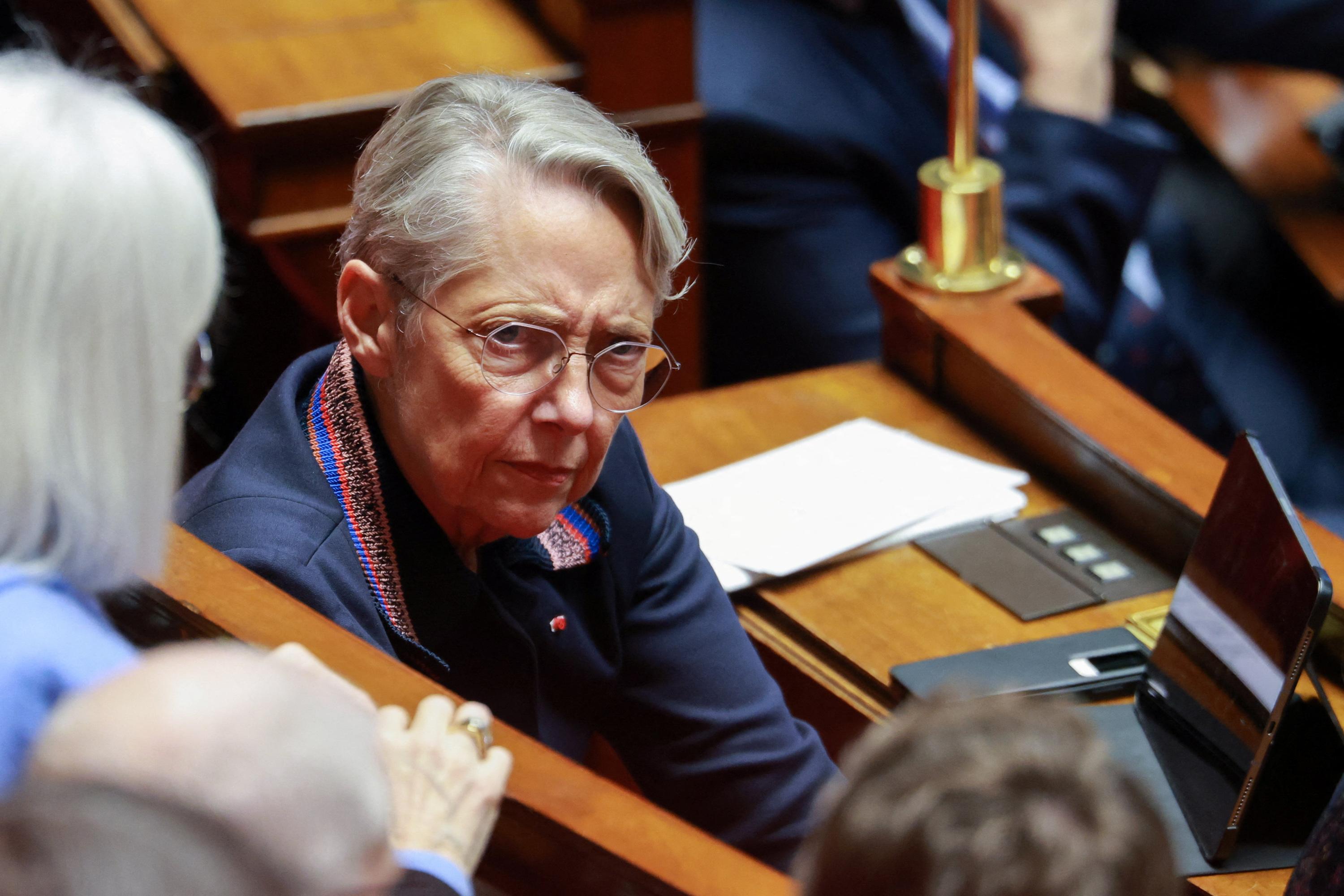
- Élisabeth Borne supports using Article 49.3 as the least unfavorable option over ordinances, emphasizing parliamentary voting rights.
- The Socialist Party’s leniency and opposition motions of censure mark the tense parliamentary environment surrounding the budget.
Prime Minister Sébastien Lecornu is poised to make a pivotal decision on the constitutional method to finalize the 2026 budget during a decisive Council of Ministers meeting held at the Élysée Palace. The government is weighing between invoking Article 49.3, which allows the government to pass a bill without parliamentary approval unless a motion of censure is adopted, or resorting to budget ordonnances, which bypass parliamentary votes altogether.
Lecornu’s decision comes after a 34-minute address emphasizing budget priorities, during which he dismissed initial left-wing proposals including the reinstatement of the wealth tax and the Zucman tax. This rejection has fueled opposition calls, notably from Jean-Luc Mélenchon urging support for a motion of censure against his government.
Alongside this procedural debate, key budgetary measures include a surtax on large companies expected to raise approximately 8 billion euros, double the original 4 billion forecast. Medium-sized companies will be exempted, satisfying demands from the Socialist Party, which appears inclined not to censor the government. The government also abandoned plans to reduce the CVAE tax, despite its unpopularity among business leaders, with Prime Minister Lecornu supporting its gradual future reduction.
Former Prime Minister Élisabeth Borne has publicly advocated for using the 49.3 procedure, describing it as the "least worst" option compared to ordinances. She highlighted the paradox of foregoing a parliamentary vote by using ordinances and emphasized that 49.3 still allows a vote which can be a test of confidence. Borne also cautioned about political risks related to the upcoming presidential election, urging centrist parties to unite behind a single candidate to avoid a runoff between La France Insoumise (LFI) and the National Rally (RN).
The Socialist Party’s apparent willingness to show clemency toward the government could influence parliamentary dynamics as Lecornu finalizes the budget, which includes crucial funding for national defense. The Prime Minister had previously committed not to use 49.3 during his tenure, adding to the political weight of the upcoming announcement.
As the Council of Ministers wraps up, all eyes remain on Lecornu’s choice between two constitutional "cutting tools," a decision that will significantly shape France’s political landscape and the budget’s parliamentary fate in 2026.
Source articles (4)
-
lefigaro.fr Jan 19, 2026
Budget 2026 : le 49.3 serait «moins pire» que les ordonnances, selon Élisabeth Borne
-
liberation.fr Jan 19, 2026
Budget : entre 49.3 ou ordonnances, Sébastien Lecornu va trancher sur l’outil-couperet
-
EN DIRECT - Budget 2026 : un Conseil des ministres décisif pour trancher entre l’article du 49.3 et l’ordonnance
-
lemonde.fr Jan 19, 2026
Budget 2026 : Sébastien Lecornu doit trancher lundi entre l’article 49.3 et l’ordonnance lors d’un conseil des ministres