French Social Security Budget Vote Sparks Political Turmoil and Warnings of Crisis
The December 2025 vote on France's Social Security budget highlights political divisions, with government warnings and opposition condemnations foretelling a possible crisis.
Key details
- Jean-Pierre Farandou warns failure to pass the Social Security budget could cause a political, economic, and social crisis.
- The budget vote follows approval of the revenue section but faces uncertainty due to government coalition divisions.
- Bruno Retailleau calls the budget a 'fiscal, social, and democratic heist' and urges LR deputies to vote against it.
- Retailleau criticizes President Macron's government and advocates for a union of the right ahead of the 2027 elections.
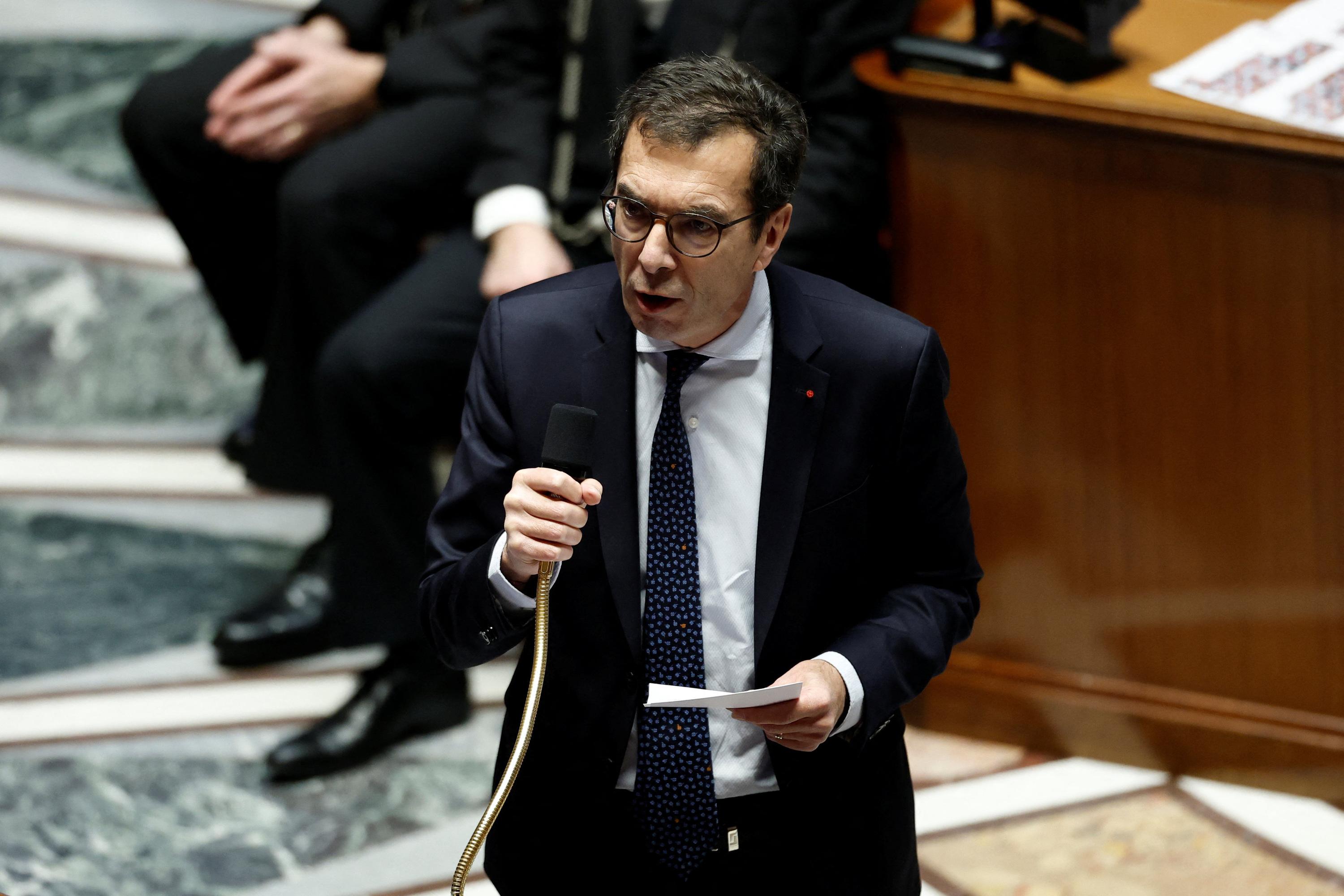
The December 2025 vote on the French Social Security budget (PLFSS) has become a focal point of political controversy, marked by harsh warnings and calls for decisive action from both government and opposition figures. The vote, taking place in the National Assembly, follows a recent approval of the budget's revenue section but faces an uncertain outcome amid divisions within the fragile governing coalition.
Jean-Pierre Farandou, France’s Minister of Labor, sounded an alarm about the grave consequences if the Social Security budget fails to pass. He warned that such a rejection would end the current suspension of pension reforms and plunge the country into what he called a "triple disorder"—a political, economic, and social crisis. Farandou stressed personal accountability for lawmakers, stating, "If we collapse the Social Security budget, we collapse the suspension" of the pension reform, urging voters to be prepared to bear the consequences of their decisions.
Opposition voices have also sharply criticized the proposed budget. Bruno Retailleau, leader of the Republicans (LR) and senator, denounced the PLFSS as a "fiscal, social, and democratic heist," urging LR deputies to abstain or vote against the bill. Retailleau expressed strong dissatisfaction with President Macron's government direction, condemning the suspension of pension reform and the abandonment of Article 49.3 of the Constitution, which previously allowed budget passage without a vote. He voiced concerns about "maneuvers in the corridors" to push the bill despite visible discord and called for a political retreat by Macron after the 2024 legislative election setbacks.
Further, Retailleau advocated for an "Union of the Rights" ahead of the 2027 elections, seeking alliances with Rassemblement National voters on electoral terms, and underscored plans for a Republican candidate with a forthcoming party project.
Amidst this tension, Farandou also mentioned policy efforts including an upcoming universal social allowance bill aiming to reduce poverty and support working families, as well as discussions about the Christmas bonus for families, intended for distribution on December 16.
As the decisive vote looms, the outcome remains uncertain. The government's ability to maintain cohesion is challenged, and the political fallout could be significant if the budget is rejected, potentially reopening pension reforms and triggering considerable instability.
Source articles (2)
-
lefigaro.fr Dec 7, 2025
«Il faut être prêt à assumer les conséquences de son vote» : Jean-Pierre Farandou alerte sur un «risque de crise» en cas de rejet du budget de la Sécu
-
lemonde.fr Dec 7, 2025
Budget de la « Sécu » : Bruno Retailleau dénonce « un hold-up fiscal » et appelle les députés LR à ne pas voter pour