Macron Faces Backlash Over Proposed Media Labeling to Combat Disinformation
French President Emmanuel Macron's proposed media labeling system to combat disinformation faces sharp criticism from right-wing politicians and media figures, prompting clarifications about its non-governmental nature.
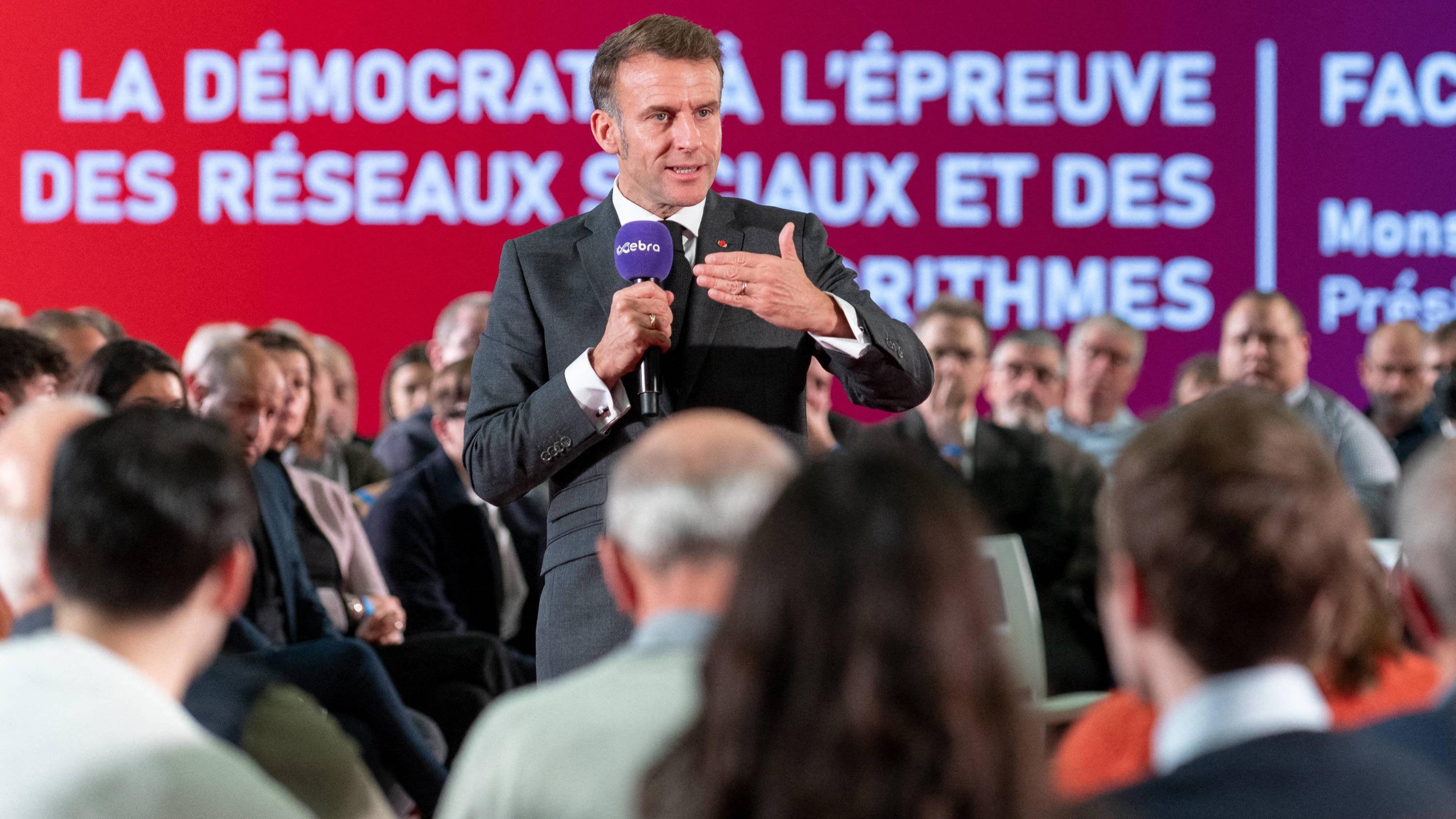
Key details
- Macron proposes media labeling to identify reliable information amid disinformation concerns.
- The labeling would be conducted by media professionals, not the state, to avoid authoritarianism.
- Right-wing politicians and media hosts criticize the proposal as authoritarian and censorship-like.
- Macron emphasizes the delicacy of the issue and denies government oversight role.
French President Emmanuel Macron has reignited debate over combating disinformation by proposing a media labeling system, sparking significant controversy and political pushback in early December 2025. The initiative aims to identify reliable information, but Macron has been clear that the labeling would be performed by media professionals rather than any state entity to avoid government overreach.
Amid declining popularity, Macron has sought to regain legitimacy with the press. Starting mid-November, he engaged in discussions with regional newspapers on social media's impact on democracy, focusing on issues like cyberbullying, algorithm effects, child protection, and foreign interference. On November 19, he publicly introduced the idea of labeling media content, describing it as a "very delicate" topic and emphasizing that government should not be responsible for verifying information.
The proposal drew strong criticism, particularly from right-wing figures and media personalities. Pascal Praud, a host on CNews, called the plan an authoritarian temptation during a morning editorial, prompting the Élysée Palace to respond with a video compilation of Praud's statements and question the opposition's motivations. Jordan Bardella, president of the Rassemblement National, likened the scheme to George Orwell's "Ministry of Truth," warning it could lead to historical revisionism and censorship of facts.
Other critics include former Interior Minister Bruno Retailleau and David Lisnard, mayor of Cannes, who labeled the initiative a "liberticide" measure reflecting authoritarian drift. In reaction to the backlash, Macron reiterated during a visit to Arras that the labeling mechanism would be managed by media professionals to prevent any dictatorial influence by the state.
This media labeling plan reflects Macron's broader effort to address the challenges of modern information ecosystems amid growing public distrust and digital interference. However, the initiative's reception highlights deep divisions over media governance and freedom of expression in France today.
Source articles (2)
-
liberation.fr Dec 1, 2025
Passe d’armes entre Pascal Praud et l’Elysée sur fond de lutte contre la désinformation
-
lefigaro.fr Dec 1, 2025
La «labellisation» des médias, l’étrange obsession d’Emmanuel Macron pour combattre la désinformation