Macron Government Faces Political and Agricultural Turmoil over Mercosur Agreement
French President Emmanuel Macron declares opposition to the EU-Mercosur trade agreement amidst agricultural crisis and political pressure, challenging France's trade policy direction.
Key details
- On January 8, 2026, President Macron declared France's opposition to the EU-Mercosur trade agreement.
- Agriculture Minister Annie Genevard supported the decision, highlighting protection of sensitive agricultural sectors.
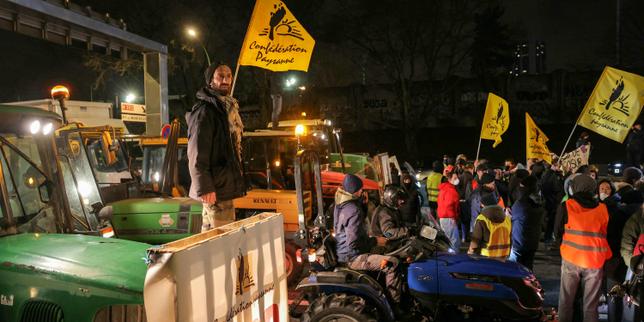
- Agricultural unrest and crisis management failures pressured the government to shift stance.
- Political opposition and parliamentary strategies aim to delay the agreement's enforcement.
On January 8, 2026, French President Emmanuel Macron announced that France will oppose the EU-Mercosur trade agreement involving Argentina, Brazil, Paraguay, and Uruguay. This decision comes after weeks of governmental indecision amid mounting agricultural unrest and political challenges in France. Macron highlighted that approving the deal would endanger sensitive agricultural sectors vital to France’s food sovereignty.
Agriculture Minister Annie Genevard praised the decision as a strong rejection of an outdated free trade model, stating that French agriculture should not be sacrificed. The government's opposition is partly a response to escalating discontent among agricultural unions, which has been exacerbated by mismanagement of recent crises such as the contagious nodular dermatitis outbreak.
This agricultural unrest has acquired anti-establishment characteristics, with unions feeling compelled to take radical actions against what they see as a government managing crises superficially. The political environment is further complicated by parliamentary maneuvers from opposition parties aiming to delay the agreement’s implementation, amplifying instability within Macron’s administration.
The situation underscores the intense pressure on Macron’s government as it balances trade ambitions with protecting French agriculture and responding to the sector’s political demands. The stance marks a significant shift, emphasizing prioritization of national food security concerns over wider trade liberalization efforts.
Source articles (2)
-
lemonde.fr Jan 9, 2026
Emmanuel Macron et le gouvernement empêtrés dans le piège du Mercosur
-
lefigaro.fr Jan 9, 2026
Mercosur : la droite prête à tout tenter pour reporter l’entrée en vigueur de l’accord