Marine Le Pen Faces Critical Appeal Trial on Alleged Misuse of EU Parliamentary Funds
Marine Le Pen's appeal trial on misuse of European parliamentary funds resumes with the prosecution seeking penalties that threaten her 2027 presidential bid.
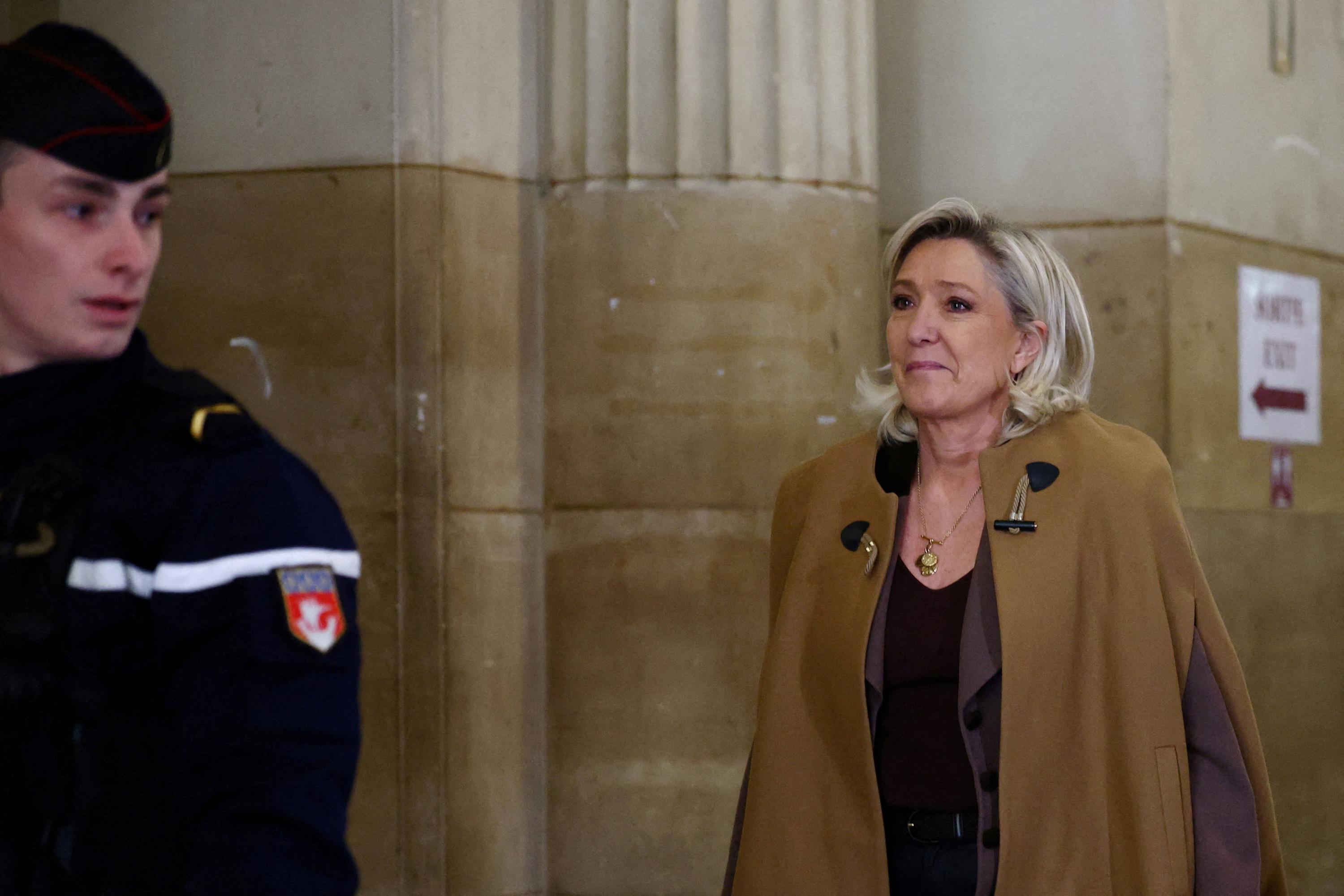
Key details
- Marine Le Pen and 10 National Rally officials face appeal trial for alleged misuse of EU parliamentary funds from 2004-2016.
- Le Pen was previously sentenced to four years in prison (two firm), a €100,000 fine, and five years’ ineligibility, potentially blocking her 2027 presidential run.
- Prosecution highlights chaotic party management and fictitious assistants used exclusively for RN’s benefit.
- Le Pen denies wrongdoing, claims no criminal intent, criticizes prosecution as unbalanced.
- Trial proceedings continue with prosecution requisitions expected to influence final verdict by February 12.
Marine Le Pen stands at the center of a high-profile appeal trial in Paris, accused of misappropriating European Parliament funds through a scheme involving fictitious parliamentary assistants during her tenure from 2004 to 2016. The trial, which includes ten other National Rally (RN) officials, could significantly impact Le Pen's political future and her candidacy for the 2027 French presidential election.
The prosecution, led by Stéphane Madoz-Blanchet and Thierry Ramonatxo, has presented a case arguing that funds designated for parliamentary assistants were diverted exclusively for the party’s benefit. Earlier, on March 31, 2025, Le Pen was sentenced by a correctional tribunal to four years in prison (two of which were firm), fined €100,000, and barred from holding public office for five years. For her to qualify as a presidential candidate, any ineligibility must be less than two years, and she must avoid electronic monitoring, which would hamper her campaign efforts.
Witnesses at the trial have described significant organizational chaos within the RN party's management, with some admitting to not performing their parliamentary duties properly. This disarray was presented as evidence of misused assistant roles, exacerbated by a lax European Parliament administrative environment during that period.
Le Pen has denied any criminal intent, attributing the controversy to the party's internal disorder. She has criticized the prosecution’s case as unbalanced and remains uncertain about her influence on the trial’s outcome. She plans to attend the prosecution’s closing arguments and the defense’s pleadings until the trial concludes on February 12.
Despite a more tempered tone during the appeal hearings compared to the initial trial, Le Pen and her associates have struggled to effectively refute the allegations, leaving them in a precarious position ahead of the prosecution’s requisitions. The prosecution is set to announce the penalties they seek imminently, with implications that could decisively shape the trajectory of Le Pen’s political ambitions.
Source articles (3)
-
liberation.fr Feb 3, 2026
Procès en appel du RN : Marine Le Pen en fâcheuse posture avant les réquisitions
-
lefigaro.fr Feb 3, 2026
Procès RN: l'heure des réquisitions pour Marine Le Pen, qui joue son avenir politique
-
france24.com Feb 3, 2026
Procès en appel des assistants RN : des réquisitions scrutées pour Marine Le Pen, candidate à 2027
Source comparison
Sentence length and specifics of prison sentence
Sources report different specifics about Le Pen's prison sentence.
lefigaro.fr
"a correctional tribunal had sentenced Le Pen to four years in prison (two suspended) and a €100,000 fine, along with a five-year ineligibility, effective immediately."
france24.com
"a court sentenced Le Pen to four years in prison, with two years being firm, a €100,000 fine, and a five-year disqualification from holding public office."
Why this matters: One source states Le Pen was sentenced to four years in prison with two years firm, while another mentions four years with two years suspended. This discrepancy affects the understanding of her legal situation and potential eligibility for future elections.