New French Literary Works Challenge Patriarchal Norms and Advocate Social Consent
Recent French literary works by Baptiste Beaulieu and Azélie Fayolle critically address patriarchy and social consent, highlighting literature’s role in shaping societal norms.
Key details
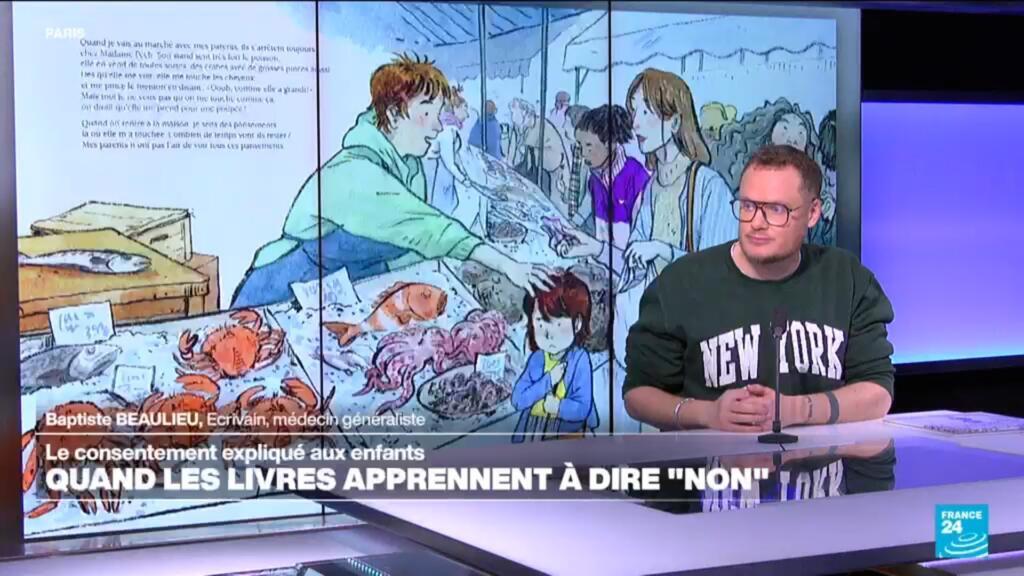
- Baptiste Beaulieu’s book 'Les pansements invisibles' addresses children's consent and promotes literature as societal pacification.
- Azélie Fayolle’s 'Subvertir le male gaze' critiques patriarchal ideology embedded in canonical literature.
- Fayolle analyzes over 100 texts to reveal the male gaze’s role in objectifying women and legitimizing violence.
- Both works underscore literature’s power to either reinforce or challenge social norms related to gender and consent.
The 41st edition of the youth book and press fair in Montreuil highlights significant contemporary French literary contributions addressing social issues such as patriarchy and consent. Children's author and general practitioner Baptiste Beaulieu presented his latest book, "Les pansements invisibles," which gently explores the concept of consent among children. Through his social media presence and literary work, Beaulieu advocates for children's literature as a tool to pacify future society.
Simultaneously, Azélie Fayolle's new book, "Subvertir le male gaze," offers a rigorous critique of patriarchal literary structures by analyzing over a hundred canonical texts spanning from Ovid to Zola. Fayolle defines the "male gaze" as a persistent masculine perspective that objectifies women and perpetuates an ideology of female domination. She employs a formalist approach to reveal how these works normalize the sexualization of women and legitimize violence against them, with examples including Zola and Maupassant's demeaning comparisons of women to dogs.
These works together reveal how literature functions both as a site for reinforcing patriarchal control and as an instrument for social critique and transformation. Beaulieu’s focus on consent in youth literature complements Fayolle’s scholarly intervention into the male gaze, suggesting literature’s dual potential to pacify or challenge societal norms.
Source articles (2)
-
france24.com Nov 30, 2025
Baptiste Beaulieu: "la littérature jeunesse, c'est un moyen de pacifier la société de demain"
-
lemonde.fr Nov 30, 2025
« Subvertir le male gaze », d’Azélie Fayolle : critique du patriarcat littéraire