Norovirus Forces Suspension of Shellfish Harvesting in Thau Lagoon Ahead of New Year
Harvesting and sales of shellfish from France's Thau lagoon have been suspended following norovirus contamination linked to heavy rains, affecting local industry and public health.
Key details
- The prefecture of Hérault suspended shellfish harvesting and sales from Thau lagoon due to norovirus contamination.
- Contamination likely caused by exceptional heavy rainfall and flooding in mid-December 2025.
- Shellfish harvested before December 19, 2025, are exempt from the ban.
- Thau lagoon is the largest Mediterranean shellfish farming area, vital to local economy and employment.
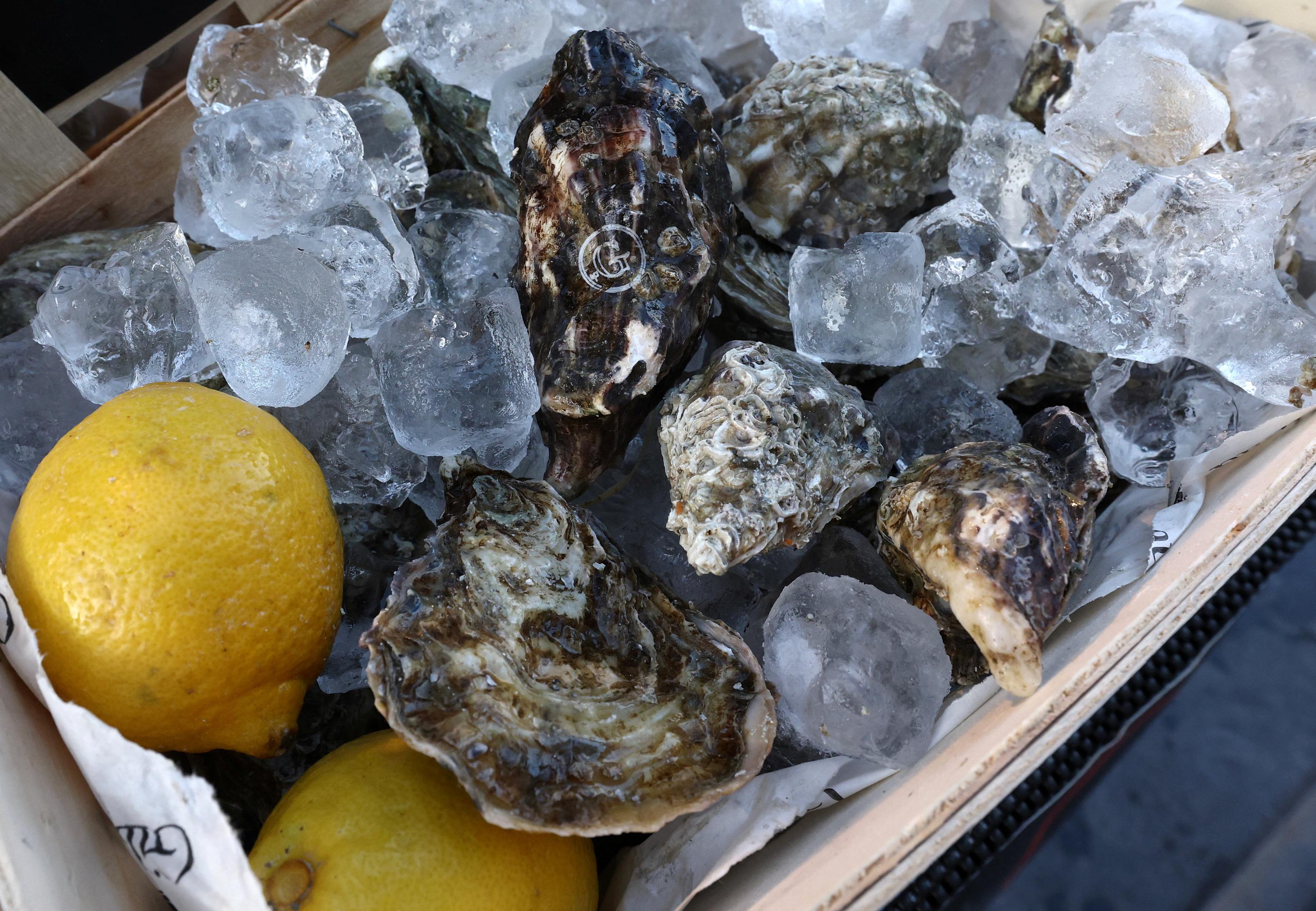
The prefecture of Hérault has announced a temporary halt on harvesting and selling oysters, mussels, and clams from the Thau lagoon due to confirmed norovirus contamination in the water. This measure comes after cases of foodborne illness associated with consuming these shellfish and just before the New Year's celebrations, dealing a blow to the local shellfish industry.
The contamination likely stems from exceptional heavy rains and flooding in mid-December, with the Hérault River reaching levels unseen since 1997 at 3.68 meters. The prefecture clarified that shellfish harvested before December 19, 2025, or from other unaffected production zones remain exempt from this ban.
Covering approximately 7,000 hectares near Sète and Agde, the Thau lagoon is a critical ecosystem and the largest shellfish farming area in the Mediterranean, contributing to around 10% of France's oyster production and supporting some 3,000 jobs.
Authorities have emphasized that this suspension is temporary and will be lifted once health safety standards are restored, allowing production zones to reopen. The crisis highlights the vulnerability of coastal aquaculture to environmental factors such as flooding and contamination.
According to the prefecture, “this decision reflects a necessary precaution to ensure consumer safety,” and reopening depends on meeting required sanitary conditions.
Source articles (2)
-
lefigaro.fr Dec 30, 2025
«Norovirus dans l’eau» : la vente de coquillages de l'étang de Thau suspendue pour le Nouvel An
-
lemonde.fr Dec 30, 2025
Crise sanitaire : la vente de coquillages de l’étang de Thau suspendue pour le Nouvel An