PM Lecornu Aims to Shield Small Savers Amid CSG Tax Increase Debate
Prime Minister Sébastien Lecornu seeks to protect small savers from the proposed CSG tax increase during the 2026 social security budget debates, amid political tensions.
Key details
- Prime Minister Lecornu opposes small savers being affected by the proposed CSG increase.
- The 1.4-point hike in CSG aims to raise €2.8 billion for social expenditures.
- Political tensions exist between Socialists supporting the tax and Les Républicains opposing it.
- Lecornu refuses to use the 49.3 procedure to pass the social security budget bill.
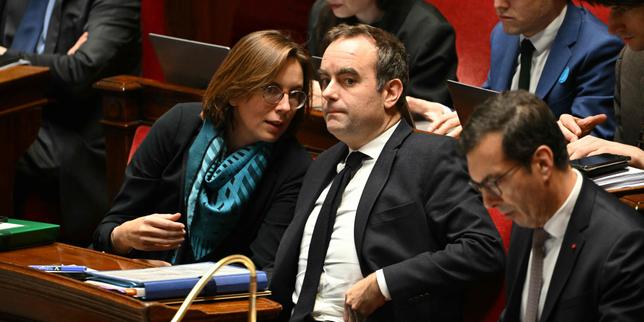
As France's 2026 social security budget bill undergoes scrutiny in the National Assembly, Prime Minister Sébastien Lecornu has taken a clear stance against allowing small savers to be adversely affected by a proposed increase in the General Social Contribution (CSG) tax on wealth. The proposed 1.4-point hike—raising the CSG from 9.2% to 10.6% on certain income such as rental revenue, life annuities, and sizeable capital gains—has generated political tension, with the Socialist Party supporting the increase to generate an estimated €2.8 billion for social expenditures, while opposition parties, notably Les Républicains, resist tax rises.
Lecornu emphasized during debates on December 3 that protecting modest households reliant on regulated savings was a priority, stating, "The government does not want small savers to be affected in this context." Despite the socialists' backing and the bill's initial approval by the Assembly, the Senate had removed the CSG increase, adding complexity to the government's efforts to finalize the budget. The Prime Minister is pushing for dialogue across political lines to amend the budget accordingly, mindful of maintaining his standing at Matignon.
In parallel, government spokesperson Maud Bregeon hinted at potential compensatory measures, including the Senate-approved freezing of pension increases for those earning above €1,400, to offset revenue fluctuations. The debate also touches on broader issues such as suspending pension reforms. Lecornu reiterated his refusal to employ the controversial 49.3 constitutional mechanism to pass the bill without a parliamentary vote, despite pressure from some quarters.
Political leaders remain divided: Laurent Wauquiez of Les Républicains signaled opposition to budgets involving tax hikes, whereas Socialist deputy Boris Vallaud argued for taxing wealth over labor to support retirees and vulnerable groups. Édouard Philippe's Horizons party also announced they would not endorse the social security budget bill.
With the Assembly poised to vote on the revenue components imminently, possibly by December 9, Lecornu's balancing act reflects the challenge of securing majority support while safeguarding small savers and managing fiscal needs amid polarized parliamentary dynamics.
Source articles (2)
-
lemonde.fr Dec 3, 2025
Budget de la « Sécu » : Sébastien Lecornu ne souhaite pas que les « petits épargnants soient touchés » par une hausse de la CSG sur le patrimoine
-
lefigaro.fr Dec 3, 2025
Hausse de la CSG sur le patrimoine : Sébastien Lecornu veut la limiter pour protéger les «petits épargnants»