Prime Minister Lecornu Deploys Article 49.3, Imposes 2026 Budget with Socialist Concessions Amid Political Turmoil
Facing parliamentary opposition, PM Sébastien Lecornu uses constitutional article 49.3 to impose the 2026 budget with concessions to Socialists, bypassing a parliamentary vote.
Key details
- Prime Minister Lecornu invoked Article 49.3 to pass the 2026 budget without a parliamentary vote.
- The budget includes concessions to the Socialist Party and allocates funds for defense efforts.
- Lecornu expressed regret over bypassing parliamentary vote, citing attempts at sabotage from LFI and RN.
- The budget aims to protect 99.9% of businesses, challenging claims of fiscal irresponsibility.
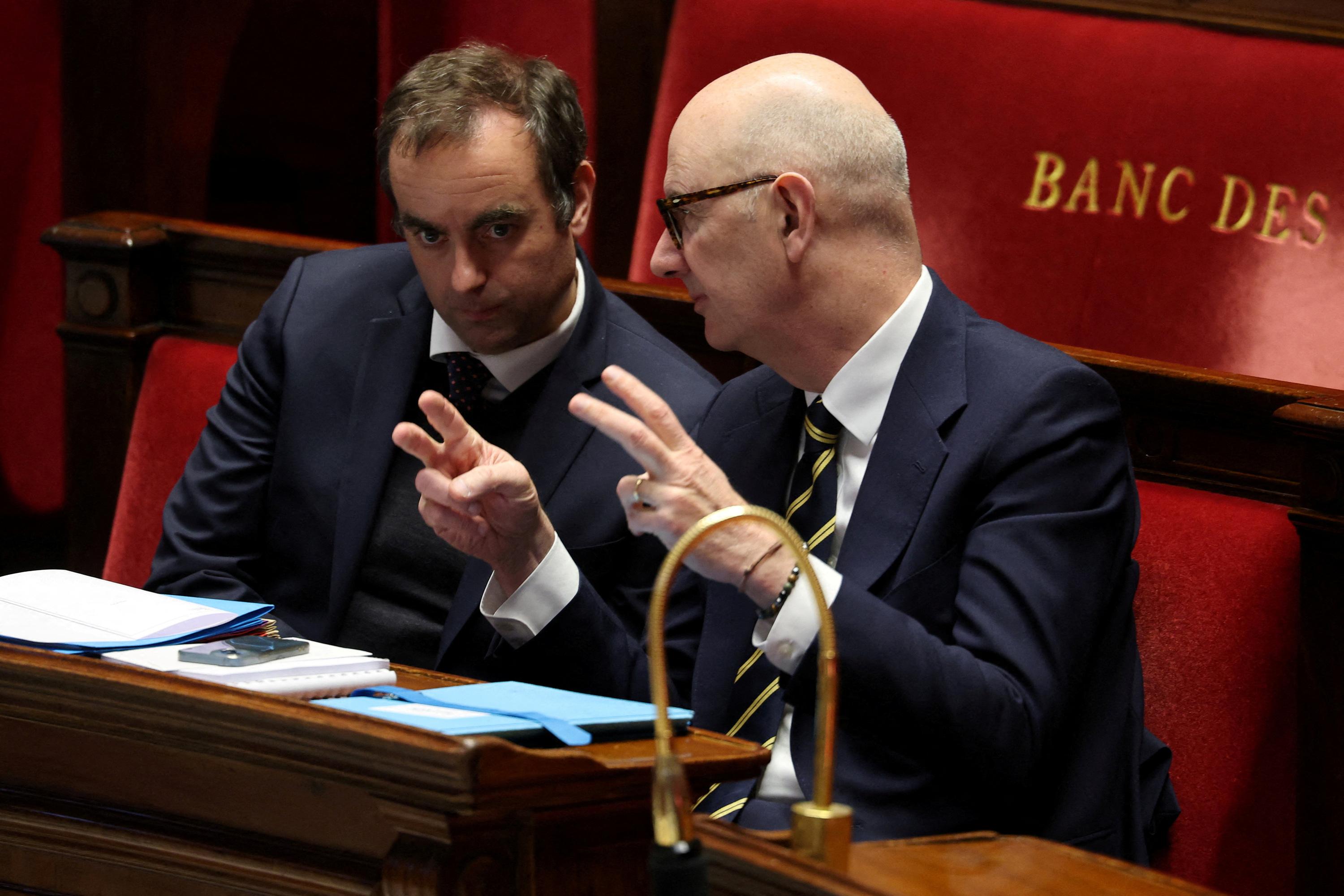
On January 19, 2026, French Prime Minister Sébastien Lecornu invoked Article 49.3 of the Constitution to pass the 2026 budget bill without a parliamentary vote, a decisive measure reflecting the tense political atmosphere and parliamentary deadlock.
Lecornu’s government faced growing opposition from parties like La France Insoumise (LFI) and Rassemblement National (RN), which he cited as engaging in "clear attempts at sabotage." The Prime Minister described the decision as a "semi-success, semi-failure," expressing "regret" and "bitterness" over having to bypass the parliamentary vote after initially promising not to govern against the National Assembly.
The use of Article 49.3, which engages the government's responsibility to push legislation through without a vote, mirrors prior approaches taken by former leaders such as Élisabeth Borne and François Bayrou. Lecornu’s move was authorized during a government council meeting in response to deterioration in parliamentary dynamics since Christmas.
Regarding the content of the budget, Lecornu defended the 2026 draft as "solid" and "serious," rejecting claims that it indulged in fiscal recklessness. He emphasized that the budget aims to structure state revenues responsibly, sparing 99.9% of businesses while only adjusting 0.1%. Additionally, funds have been allocated to reinforce defense efforts to address concerns from the right and center political blocs about the state’s financial demands.
The Prime Minister stressed the importance of avoiding drawn-out parliamentary debates that could reduce the budgetary process to "a spectacle," underscoring the urgency to deliver a stable financial plan for the nation.
In a procedural move, Lecornu announced that the government's responsibility would be formally engaged on the first part of the budget during the National Assembly session, further consolidating the government's authority on this contentious issue.
This strategic maneuvering underscores the political strains shaping the 2026 budget’s passage, highlighting Lecornu's balancing act amid opposition resistance and efforts to secure concessions, particularly towards the Socialist Party (PS).
Source articles (5)
-
lefigaro.fr Jan 19, 2026
Sébastien Lecornu se résout au 49.3 pour un budget qui fait la part belle au PS
-
Budget 2026 : le texte ne fait «pas du tout la part belle à la folie fiscale», assure Sébastien Lecornu
-
liberation.fr Jan 19, 2026
49.3 : Sébastien Lecornu renonce à son renoncement pour faire passer le budget
-
Nîmes : la classe politique s’indigne après la découverte de tags antisémites sur le siège du PS
-
«J’ai cheminé» : au procès des assistants parlementaires du FN-RN, Nicolas Bay et ses «réponses de Normand»