Sarkozy Sentenced in Libyan Campaign Financing Case Amid PNF Communication Struggles
Former President Nicolas Sarkozy was sentenced for alleged Libyan campaign financing, while the prosecutor's office struggles with communication amid criticism and a media campaign from his supporters.
Key details
- Nicolas Sarkozy sentenced to five years for association de malfaiteurs linked to 2007 campaign financing.
- Sarkozy has appealed the verdict.
- The National Financial Prosecutor's Office faced criticism for poor communication after the ruling.
- Sarkozy's supporters decried the decision as a 'judicial coup.'
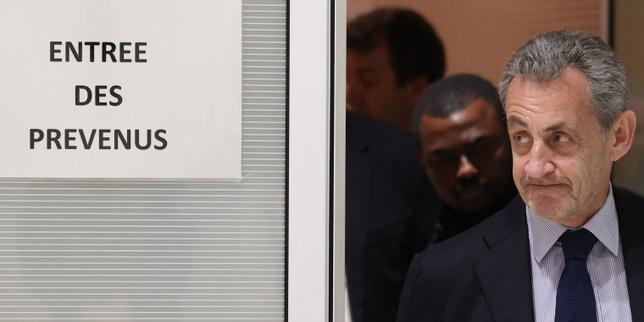
On September 25, 2025, former French President Nicolas Sarkozy was sentenced to five years in prison for "association de malfaiteurs" related to suspicions of Libyan funding for his 2007 presidential campaign. Sarkozy has appealed the decision, which remains a major political and judicial event in France.
Following the sentencing, the National Financial Prosecutor's Office (PNF) faced significant criticism for its delayed and ineffective communication with the public and media. The PNF remained silent for four days after the verdict, a silence which allowed Sarkozy's allies and supporters to launch a vigorous media campaign denouncing the ruling. Close associates of Sarkozy, aided by media with ties to Vincent Bolloré, described the verdict as "contrary to the rule of law" and a "judicial coup."
Magistrates within the PNF, many speaking anonymously due to professional constraints, admitted that "this period has not been good for us," highlighting the challenges the office faced in managing the public discourse and countering the narrative set by Sarkozy’s supporters. The lack of proactive engagement has been seen as a missed opportunity to clarify the judicial reasoning and protect the integrity of the legal process.
The case centers on accusations that Sarkozy benefited from illegal Libyan financial support during his successful 2007 presidential campaign, a charge he has consistently denied. The sentencing marks one of the rare instances where a former French head of state has been penalized for alleged corruption tied to foreign campaign financing.
As the appeals process proceeds, the controversy is likely to remain a focal point in French political and judicial discussions, underscoring ongoing tensions between judicial institutions and political figures in France.
Source articles (2)
-
liberation.fr Dec 1, 2025
La course mondiale au réarmement fait d’abord les affaires des Américains
-
lemonde.fr Dec 1, 2025
Affaire du financement libyen : face à la campagne des proches de Nicolas Sarkozy, la laborieuse communication du PNF