Severe Snow and Ice Causes Major Transport Disruptions Across Île-de-France
Heavy snowfall and icy conditions on January 5-6 cripple transport across Île-de-France, causing widespread bus suspensions, RER disruptions, record traffic jams, and ongoing public advisories.
Key details
- Intense snowfall and freezing temperatures caused severe transport disruptions in Île-de-France starting January 5.
- Over 1,000 km of traffic jams recorded, with speed limits and truck bans imposed due to icy roads.
- RATP suspended most bus services; RER C, D, and Transilien line H experienced interruptions and slowdowns.
- Emergency shelters opened and schools closed; telework widely adopted to manage travel difficulties.
- Further snowfall expected on January 7 with low temperatures, prolonging difficult conditions.
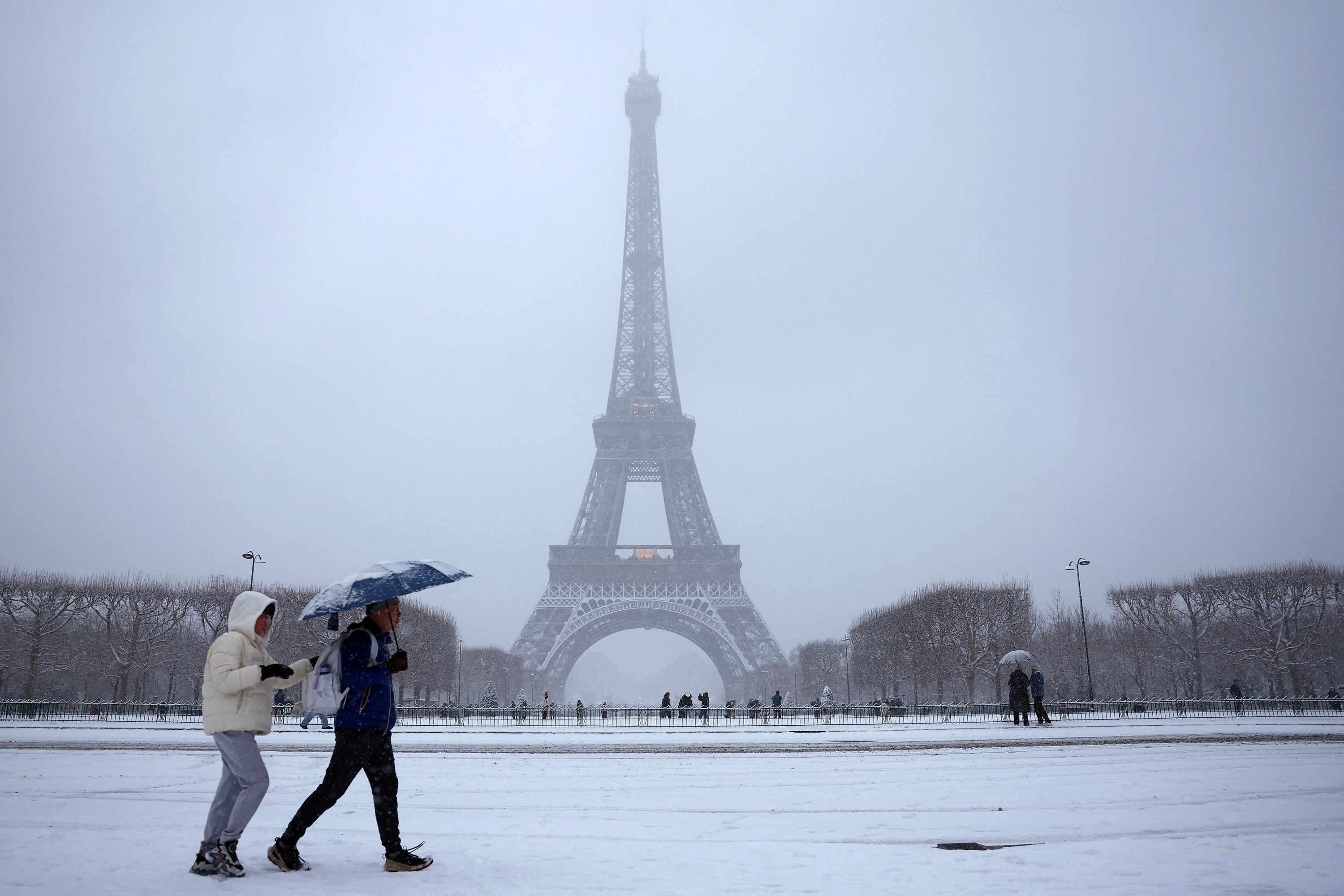
On January 5-6, 2026, the Île-de-France region experienced significant transport disruptions due to an intense snowfall and subsequent icy conditions that paralyzed the area. Météo-France issued an orange alert for 26 departments including Île-de-France, warning of snow and dangerous ice. Morning temperatures between -7 and -3 degrees Celsius contributed to treacherous roads and public transport difficulties.
The snowfall, which reached up to four centimeters in Paris and even higher locally, led to a record traffic jam totaling over 1,000 kilometers during Monday evening rush hour, with traffic times doubling in some sectors. The prefecture of police activated level 3 of the snow-ice plan, imposing a speed limit of 80 km/h on major roads and banning heavy trucks over 3.5 tons from overtaking and some routes.
Public transport suffered greatly; the RATP suspended all bus services across its network, with many operators announcing total or partial stoppages—networks like Seine Grand Orly and Essonne Sud-Est were completely halted until further notice. Only about 30 bus lines operated in central Paris. Rail services faced interruptions too, with RER C disrupted by track incidents and the RER D slowed by obstacles. The Transilien line H also experienced heavy disruptions. To combat ice buildup on tracks, RATP operated trains throughout the night.
Additionally, school transport services were suspended in several departments including Yvelines, Seine-et-Marne, and Essonne. Airports reduced flights by 15% leading to average delays of roughly 40-50 minutes. Authorities opened 1,250 emergency shelter spots in Paris in response to the cold wave.
The severe conditions forced many residents to work remotely or stay home, with schools closing and delivery schedules delayed. Residents reported impassable roads and opted for teleworking wherever possible to avoid hazardous travel.
Authorities warned that another snowfall was expected on January 7, with persistently low temperatures that could prolong the transport challenges. Commuters were urged to monitor conditions closely and limit travel where possible.
This winter episode marks one of the most disruptive in recent years for the Paris region, highlighting the vulnerability of its transport infrastructure to severe weather events.
Source articles (5)
-
lefigaro.fr Jan 6, 2026
Neige et verglas : bus à l’arrêt, RER interrompus... Le point sur les perturbations dans les transports en Île-de-France ce mardi
-
radiofrance.fr Jan 6, 2026
Neige : pagaille en Île-de-France, circulation très perturbée
-
mesinfos.fr Jan 6, 2026
Neige et verglas : la vigilance orange maintenue en Île-de-France
-
francebleu.fr Jan 6, 2026
DIRECT - Neige et verglas : situation difficile sur les routes en Île-de-France ce mardi matin
-
franceinfo.fr Jan 6, 2026
"C'était impraticable" : télétravail, cours à la maison, livraisons reportées... Face à la neige et au verglas, l'Ile-de-France s'organise tant bien que mal
Source comparison
Date of snowfall
Sources disagree on the date of the snowfall that caused disruptions
franceinfo.fr
"On December 5, heavy snowfall impacted the Île-de-France region."
lefigaro.fr
"Following an exceptional snowfall that paralyzed the Paris region... significant disturbances were reported across the public transport network due to the previous day's snowfall on January 6."
Why this matters: Some sources report the snowfall occurred on January 5, while others mention December 5. This discrepancy affects the timeline of events surrounding the transport disruptions.