Economic Stakes and Business Community Tensions Rise Ahead of 2027 French Presidential Election
The Rencontres économiques d’Aix-en-Provence showcased business community unease about economic policy and corporate taxation ahead of the 2027 French presidential election, while candidate Edouard Philippe heightened his campaign with major reform promises.
Key details
- The Rencontres économiques d’Aix-en-Provence from July 2-4, 2026, brought together key economic and political figures to discuss pressing budgetary and taxation issues.
- Business leaders expressed significant concerns about potential changes in corporate taxation and fiscal policy post-election.
- Edouard Philippe intensified his 2027 presidential campaign with a Paris meeting, promising a "just collective effort" and a major overhaul of the education system.
- Philippe’s speech included personal stories and critical remarks about his political rivals, marking a significant campaign milestone.
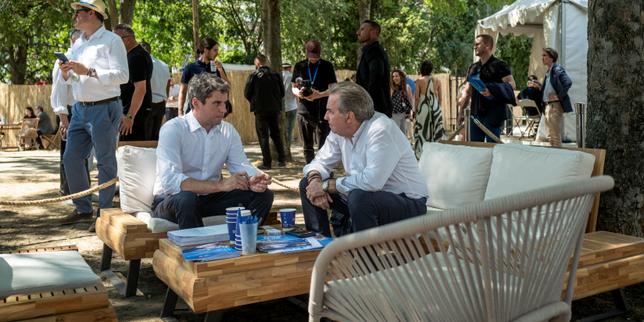
From July 2 to July 4, 2026, the Rencontres économiques d’Aix-en-Provence, often dubbed the 'mini-Davos,' served as a critical gathering for business leaders, economic stakeholders, and political figures to deliberate pressing economic issues ahead of the 2027 French presidential election. Central to the discussions were budgetary challenges and corporate taxation policies, which remain focal points of concern for the French business community.
The event highlighted an air of febrility among economic actors, underscoring anxiety about potential shifts in economic policy after the election. Corporate taxation in particular sparked intense debate, reflecting worries over how new regulatory or fiscal frameworks could impact business competitiveness and investment climates in France.
Parallel to these discussions, Edouard Philippe, mayor of Le Havre and a presidential candidate, intensified his campaign efforts with a public meeting in Paris. Philippe’s speech combined personal anecdotes with campaign promises and direct critiques of his rivals. Notably, he pledged to seek a "just collective effort" from the French people and advocated for a "massive overhaul of the school system," signaling his approach to socioeconomic reforms that may influence economic policy debates.
These developments illustrate the intersection of political campaigning and economic concerns as France prepares for a crucial election that could reshape fiscal and corporate governance. The anxiety expressed by business leaders at Aix-en-Provence reflects broader uncertainty about France’s economic trajectory, while Philippe’s campaign rhetoric represents one of the emerging political narratives seeking to address national challenges.
As the election campaign accelerates, economic policy and taxation debates promise to remain at the forefront, with business communities closely monitoring proposed reforms and their potential impacts on France’s economic stability and growth.
Source articles (2)
-
lemonde.fr Jul 5, 2026
Edouard Philippe se dévoile lors d’un meeting à Paris et promet de demander aux Français un « effort collectif juste » ainsi qu’une « refonte massive de l’école »
-
Aux Rencontres économiques d’Aix-en-Provence, la fébrilité agite les milieux d’affaires avant l’élection présidentielle