Lecornu Avoids Constitutional Override as 2026 Budget Faces Parliamentary Turmoil
Prime Minister Sébastien Lecornu opts against constitutional override as the 2026 French budget and Social Security finances face tight parliamentary votes amid political fragmentation.
Key details
- Prime Minister Lecornu opts not to use constitutional article 49.3 to force budget approval.
- The French Assembly narrowly approved the Social Security budget revenues by 26 votes despite previous overwhelming rejection.
- Political fragmentation and lack of structured opposition complicate budget passage efforts.
- The rejection of the revenue section would halt the entire Social Security financing bill in the Assembly.
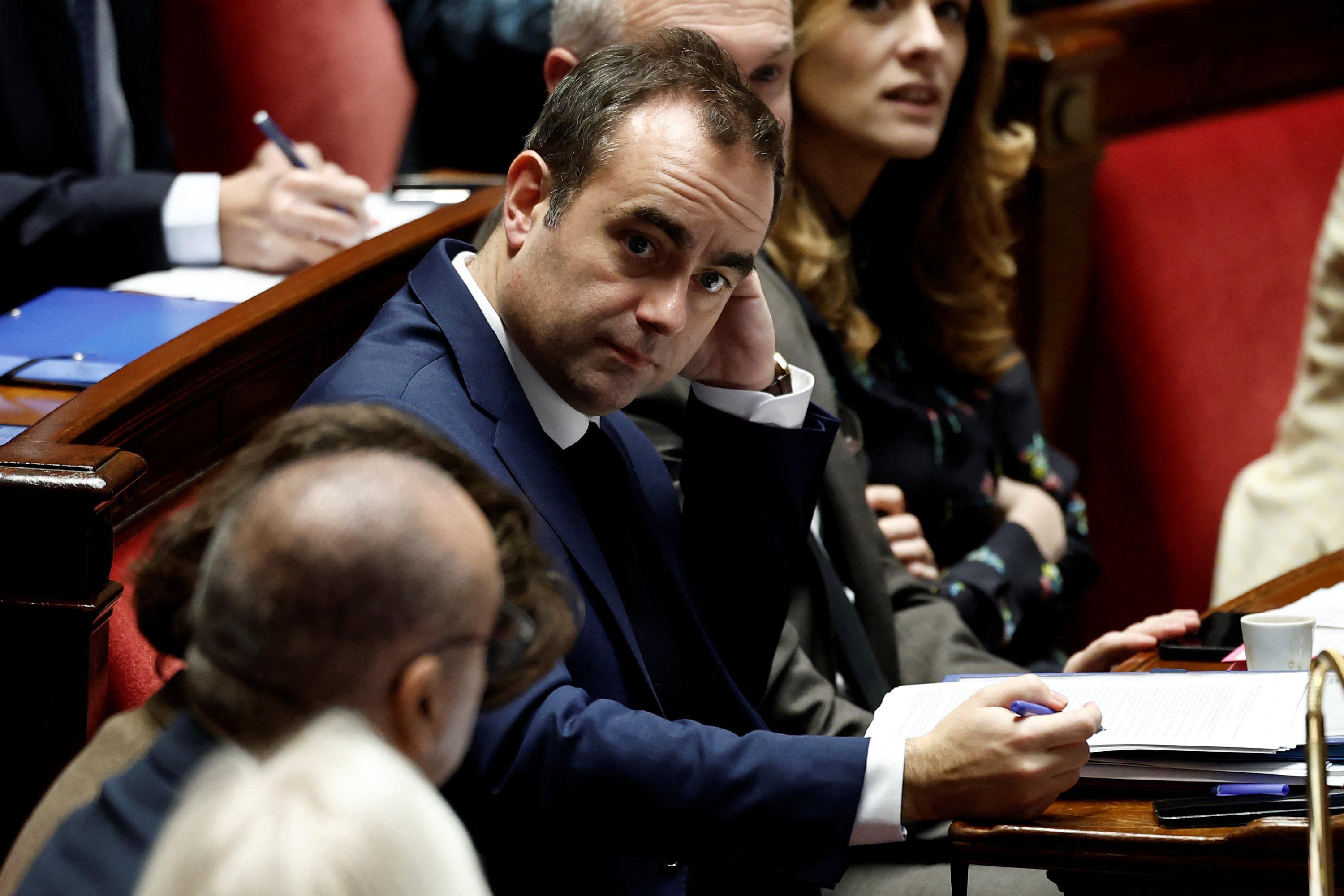
As the French Parliament confronts mounting difficulties in approving the 2026 budget on schedule, Prime Minister Sébastien Lecornu has consciously decided against employing article 49, alinéa 3 of the Constitution — a tool that typically allows governments to push budget legislation through against opposition. This decision comes amid political fragmentation and the Assembly’s rejection of its own budget proposal, raising concerns about whether the budget can be finalized before the fiscal year starts on January 1, 2026.
The Assembly narrowly passed the "revenue" aspect of the Social Security financing bill by a slim margin of 166 votes to 140 on December 5, after previously rejecting it overwhelmingly. Lecornu emphasized the vote should not be interpreted as political endorsement but as an opportunity to continue debates over spending. He warned that rejecting the revenue section entirely would halt consideration of the whole bill in the Assembly, potentially sidelining the budget in the Senate with an uncertain future. The Socialist Party expressed support for this compromise, highlighting the introduction of sufficient new revenues to keep negotiations alive.
Lecornu’s refusal to invoke article 49.3 is seen as a tactical move to encourage parliamentary dialogue despite the absence of a structured opposition, which complicates the government’s position. Analysts compare Lecornu’s approach to historic precedents where leaders abstained from using constitutional overrides to better align with parliamentary will, although the effectiveness of this approach remains uncertain given the fractured political environment. The Assembly’s rejection of major portions of the financial bill underscores deeper political incoherence and the challenges facing the government’s budgetary agenda.
Prime Minister Lecornu’s political maneuvering illustrates the tightrope he must walk between securing vital budget approval and respecting parliamentary processes. With continued debate ahead, the government faces an uphill battle to ensure both the Social Security and the national budget pass on time, safeguarding the fiscal stability necessary for the upcoming year.
Source articles (2)
-
lefigaro.fr Dec 5, 2025
Guillaume Drago : «Avec l’abandon du 49-3, jusqu’où peut aller la “Constitution Lecornu” ?»
-
liberation.fr Dec 5, 2025
Budget de la Sécu : Lecornu fait adopter de justesse le volet recettes, avec les socialistes mais sans la droite