Sébastien Lecornu Navigates Parliamentary Turbulence to Secure France's 2026 Budget Adoption
Prime Minister Sébastien Lecornu secures parliamentary support to pass France's 2026 budget amid motions of censure and calls for institutional reform.
Key details
- Lecornu faced two motions of censure from LFI and RN but expected their rejection to confirm budget adoption.
- He built a coalition including diverse political factions and socialists to secure support.
- Key fiscal measures include extending the wealth tax (CDHR) until the deficit drops below 3% of GDP.
- Calls emerge for constitutional reforms highlighting challenges of current political frameworks.
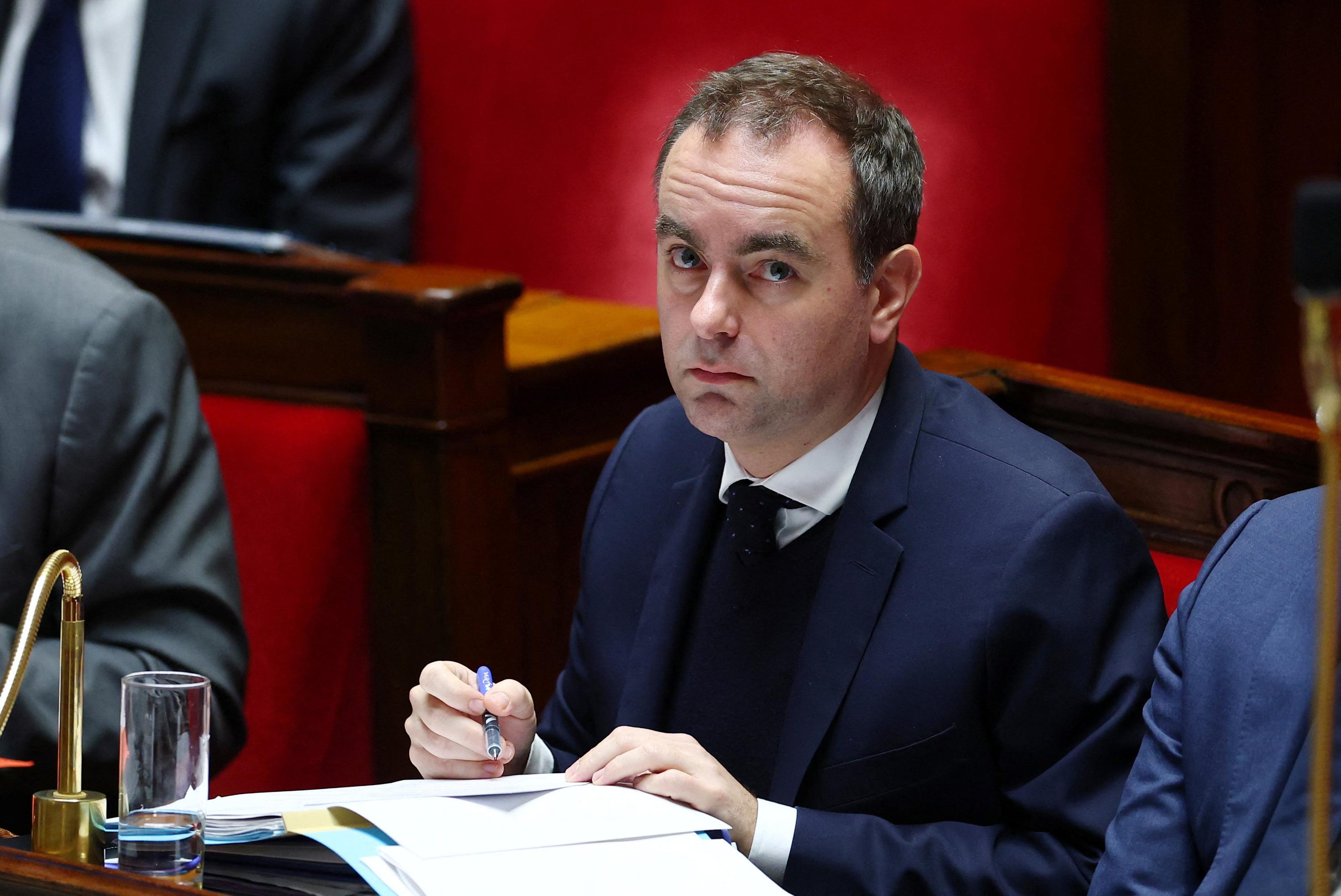
On February 2, 2026, Prime Minister Sébastien Lecornu stood at the center of a crucial parliamentary session aimed at adopting France's 2026 state budget amid heightened political tensions. Facing two motions of censure from major opposition parties La France Insoumise (LFI) and Rassemblement National (RN), Lecornu's primary goals were to prevent his government's fall and secure approval of the finance bill, a process marked by strategic coalition-building and political maneuvering.
The motions of censure, despite their significance, were expected to be rejected, thereby allowing the definitive adoption of the budget, pending validation by the Constitutional Council. This scenario was unexpected since Lecornu's appointment as Prime Minister in September 2025, when many questioned his ability to consolidate power.
Lecornu adopted a broad coalition approach, engaging with factions across the political spectrum, including deputies from Attal, Bayrou, Philippe, and LR, and notably securing the support of 69 socialist deputies led by Boris Vallaud. His efforts extended to interactions with prominent socialist figures such as budget expert Jérôme Guedj and former President François Hollande, cultivating a cooperative atmosphere within the Assembly.
The final budget includes key measures like the extension of the "contribution différentielle sur les hauts revenus" (CDHR), a wealth-targeted tax introduced in 2025 aimed at high earners, which will remain until the public deficit falls below 3% of GDP. Additionally, the bill addresses issues such as income tax adjustments, small parcel taxes, and guidelines on tipping.
Despite the looming passage of the budget, voices within Parliament and political circles are calling for deeper institutional reforms, arguing that the current constitutional framework inadequately reflects the evolving political landscape marked by the absence of a clear parliamentary majority.
As the procedures wrap up, Lecornu's ability to harness cross-party support appears decisive in navigating France's complex political terrain, illustrating a nuanced approach to governance during a period of fractured parliamentary dynamics. The budget now awaits the Constitutional Council's review before official promulgation.
Source articles (4)
-
lefigaro.fr Feb 2, 2026
EN DIRECT - Budget 2026 : Sébastien Lecornu face à deux dernières motions de censure, le premier ministre déjà tourné vers de nouveaux projets
-
lemonde.fr Feb 2, 2026
De la nomination de Sébastien Lecornu au vote du budget : retour sur les cinq mois qui ont permis au premier ministre de s’imposer
-
Impôt sur le revenu, taxe sur les petits colis, pourboires... Ce que contient la version finale du budget 2026
-
liberation.fr Feb 2, 2026
Après le marasme sur le budget, des voix se lèvent pour une réforme de fond : «La Constitution ne dit pas tout»